
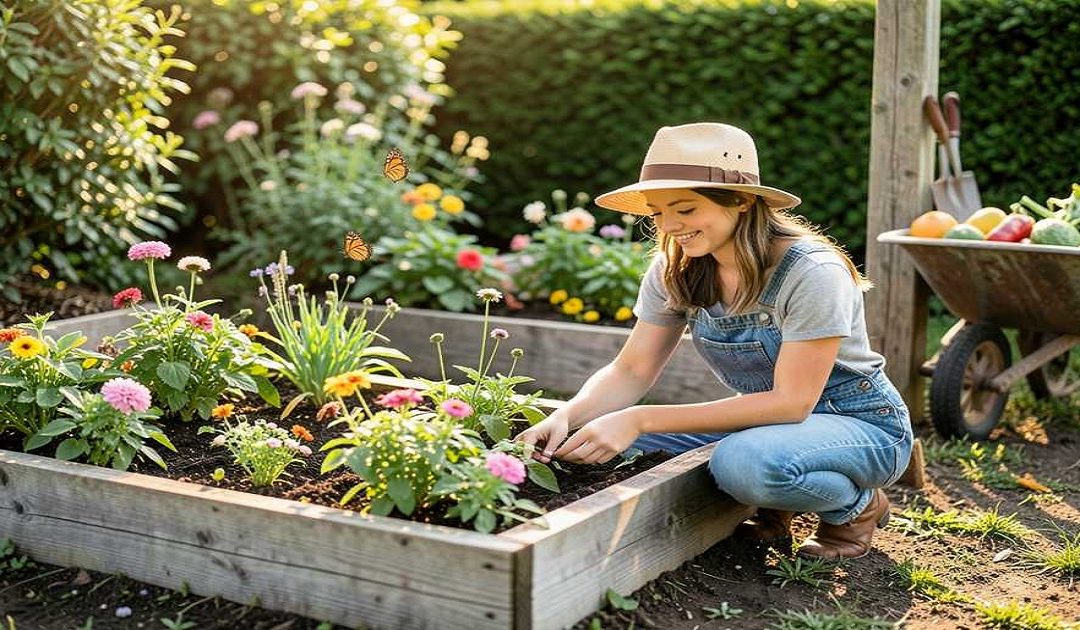
Raised garden bed ideas can completely reshape any outdoor space, whether you’re working with a small urban courtyard or a large suburban plot. Epiclectic’s guide is designed to help UK gardeners choose and build the right raised beds for their needs, with practical advice on materials, soil, layouts, and planting. You’ll discover which options work best for vegetables, flowers, and compact gardens, and how to make the most of your available space. We’ll also cover budget-friendly solutions and key mistakes to avoid. By the end, you’ll have a clear plan for creating productive, attractive beds that suit your garden and lifestyle.
Raised garden bed ideas for UK gardens include simple wooden boxes, stylish metal frames, brick or stone beds, and creative upcycled solutions—each tailored for vegetables, flowers, or compact spaces.
Key Takeaways
- Raised beds can be made from a variety of materials, including reclaimed wood, brick, and metal.
- Choosing the right soil mix is crucial for healthy plants—look for peat-free, well-draining options.
- Small gardens benefit from vertical, tiered, or corner bed layouts to maximise space.
- DIY raised beds are budget-friendly and customisable, but kits are available for convenience.
- A well-planned raised bed layout encourages crop rotation, companion planting, and easy maintenance.
Why Trust This Guide?
Here’s why readers trust Epiclectic for practical, fact-checked advice:
- Editorially reviewed for accuracy
- Original and plagiarism-free
- Written for real readers, not search engines
- Regularly reviewed and updated
- Last reviewed: July 2026.
Raised Garden Bed Ideas: The Complete UK Guide
This article explores practical raised garden bed ideas for UK gardens, with expert guidance on materials, soil, layouts, and plants. Whether you’re a beginner or an experienced gardener, you’ll find inspiration and actionable tips for every space and budget.
Raised Garden Bed Ideas: Popular Types & Creative Designs
Over 30% of UK households with gardens now use raised beds for growing, according to the Royal Horticultural Society (RHS, 2026). This surge in popularity reflects the versatility and accessibility of these structures. For UK gardeners, the choice of design is vast—classic wooden beds remain a favourite, but metal, brick, and upcycled materials are increasingly common. If you’re looking for cheap raised garden beds UK-wide, reclaimed timber or stacked bricks from local salvage yards can be transformed into productive growing spaces for a fraction of the cost of commercial kits.
Classic timber beds are adaptable and can be assembled DIY, making them accessible for most budgets. Metal beds, particularly galvanised steel, are gaining ground in urban gardens for their durability and sleek look. Brick or stone beds, while more labour-intensive, offer exceptional longevity and can double as attractive garden features. For those seeking sustainable options, upcycled materials—such as old railway sleepers or even food-safe plastic crates—can be repurposed into unique planters that suit any plot.
Layout is just as important as material. Rectangular beds are the most common, but circular, tiered, and L-shaped beds can help you maximise awkward corners or create striking visual interest. For example, a Leicester family recently used three reclaimed scaffold board beds arranged in an L-shape to turn a neglected yard into a productive, easy-to-maintain kitchen garden. The result was not only functional but also inspired neighbours to try similar solutions.
Versatility is your biggest asset.
If you’re looking for more inspiration, Epiclectic’s Gardening section offers step-by-step guides, while the Royal Horticultural Society has a wealth of practical examples for UK climates.
What is a raised garden bed?
A raised garden bed is a contained, soil-filled structure built above ground level, used to grow vegetables, flowers, or herbs. It improves drainage, soil quality, and accessibility for gardeners.
Choosing the Best Materials for Raised Beds in the UK
The material you choose for your raised bed will determine its lifespan, safety, and environmental impact.
- Pressure-treated timber is widely available, affordable, and typically lasts 10–15 years, but always ensure it is certified for vegetable use to avoid chemical contamination.
- Reclaimed wood offers a lower-cost, eco-friendly alternative, though it may only last 5–8 years and requires checking for previous chemical treatments.
- Metal beds, especially galvanised steel, are highly durable and increasingly popular in urban settings for their modern appearance and long lifespan.
- Brick or stone beds are the most permanent, with a lifespan of 20 years or more, but require more skill and effort to construct.
- Composite and recycled plastic options are easy to assemble and offer a balance between durability and environmental impact, though eco-friendliness varies by manufacturer.
Safety is paramount. Most people assume all timber is safe for edible crops, but only wood treated with modern preservatives (free from creosote or arsenic) is recommended for food-growing beds. Always check the source of reclaimed materials and avoid railway sleepers treated with creosote for vegetable beds.
Here’s a direct comparison of the most common options for raised bed materials UK gardeners use:
| Material | Cost | Lifespan | Eco-Friendliness | Ease of DIY |
|---|---|---|---|---|
| Pressure-treated timber | £-££ | 10-15 years | Moderate | Easy |
| Reclaimed wood | £ | 5-8 years | High | Moderate |
| Metal (galvanised steel) | ££ | 15+ years | High | Moderate |
| Brick/stone | £££ | 20+ years | High | Challenging |
| Composite/plastic | ££ | 10-15 years | Varies | Easy |
Choosing sustainable materials reduces your environmental footprint. For more on eco-friendly garden choices, visit Epiclectic’s Sustainability resources or see Garden Organic for guidance.
Quick Tip: For the longest-lasting beds, line the inside of timber frames with heavy-duty landscape fabric to prevent rot and extend their life by several years.
What is pressure-treated timber?
Pressure-treated timber is wood infused with preservatives under pressure to resist rot and pests. It is commonly used for outdoor structures, but only modern, food-safe treatments are suitable for edible beds.
How to Build a Raised Garden Bed: Step-by-Step for UK Gardens
What’s the best way to construct a raised bed that lasts?
| Factor | DIY | Professional |
|---|---|---|
| Cost | Typically £30–£150 per bed (materials only) | £200–£600+ per bed (installed) |
| Time | Half a day to a weekend per bed | 1–2 hours per bed (once scheduled) |
| Risk | Possible errors in measurements and durability | Expert finish, but higher up-front cost |
Building your own bed gives you control over size, materials, and cost. Here’s a step-by-step guide for beginners:
First, decide on your dimensions—1.2m (4ft) wide is ideal for access from both sides without stepping on the soil. Use a spirit level to ensure your site is flat. Assemble your frame from your chosen material, using galvanised screws for timber or brackets for metal. For brick or stone, lay a solid base and use mortar for stability. Before filling, line the bed with landscape fabric to prevent weeds and prolong timber life.
Most people think you can fill your bed with any soil, but using subsoil or poor-quality fill can lead to drainage and fertility issues. Always use a high-quality, peat-free compost mix for best results. Before adding soil, check your frame is square and secure, and ensure any timber is free from old paint or treatments that could leach into the soil.
Precision matters.
If you’re unsure about construction, pre-made kits offer convenience but come at a higher cost. For more project inspiration, Epiclectic’s Home & Living section and the RHS both have detailed guides.
Quick Tip: When building on hard surfaces, drill drainage holes in the base of your bed or raise it slightly on bricks to prevent waterlogging.
Best Soil for Raised Beds in the UK: What to Use and Why It Matters
Imagine someone who fills their new bed with leftover soil from the garden, only to find plants struggle and water pools after rain.
- For vegetables, the best soil for raised beds UK-wide is a mix of 40% topsoil, 40% peat-free compost, and 20% well-rotted manure or leaf mould. This blend provides excellent drainage and fertility.
- For flowers and herbs, use a similar mix but reduce manure to 10% and add coarse sand for improved drainage, especially for Mediterranean herbs like thyme and rosemary.
- Peat-free and organic options are strongly encouraged by the Soil Association and RHS. These protect peat bogs and support soil biodiversity.
- To maintain soil fertility, top up beds with a 5cm layer of compost each spring. Rotate crops to avoid nutrient depletion and pest build-up.
- Compost and organic amendments, such as worm castings or seaweed meal, help sustain healthy soil structure year after year.
Most guides overlook the value of layering. For budget raised garden bed solutions, start with a base of cardboard and garden waste, then add your soil mix. This approach recycles materials and cuts costs while improving long-term fertility.
Quick Tip: Use a soil test kit to check pH and nutrient levels before planting—most vegetables prefer a pH of 6.0–7.0.
What is peat-free compost?
Peat-free compost is a growing medium made without peat, using alternatives like coir, composted bark, or green waste. It’s better for the environment and now widely available in UK garden centres.
Small Garden Raised Bed Ideas: Space-Saving Solutions
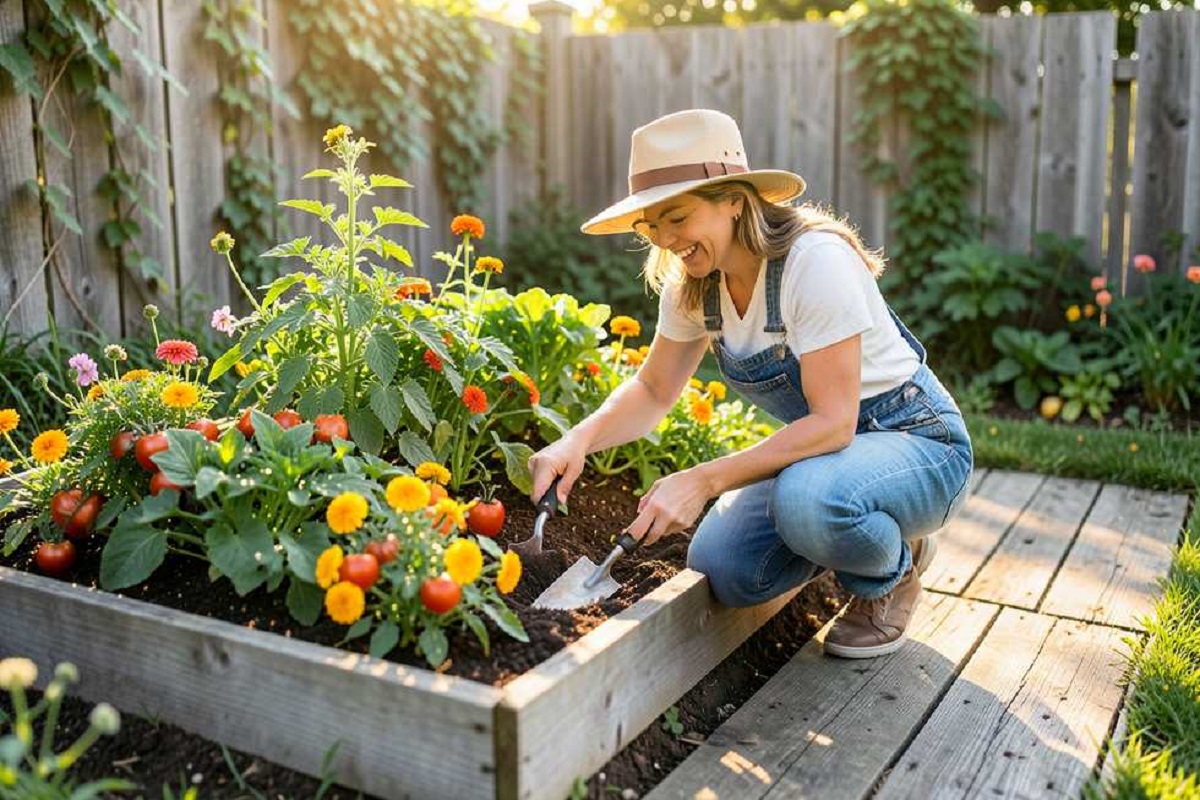
Raised beds are possible even in the smallest spaces—one London survey found 42% of urban gardeners use compact or vertical beds (source: Garden Organic, 2024). Vertical and tiered designs are especially useful for patios, balconies, and courtyards, allowing you to grow upwards and maximise every square metre. For example, a three-tiered herb planter can fit in a corner, providing room for salad leaves, strawberries, and nasturtiums without crowding a tiny plot.
Corner beds make use of awkward angles, while narrow planters along fences or balcony railings are ideal for trailing plants and compact crops. In Manchester, a gardener used upcycled wooden crates stacked in a pyramid to grow lettuce and edible flowers, turning a 1m2 area into a productive micro-garden.
Small doesn’t mean limited.
- Vertical beds with pockets or shelves for herbs and strawberries
- Tiered beds for cascading flowers or companion planting
- Corner beds to use dead space
- Balcony-friendly troughs or crates for salads and compact vegetables
- Portable planters for renters or those with changing needs
For more compact garden solutions, see Epiclectic’s Home & Living tips or visit Garden Organic for innovative ideas.
Quick Tip: Use trellises or netting to grow climbing beans or peas vertically, doubling your harvest in the same footprint.
What is companion planting?
Companion planting is the practice of growing certain plants together to enhance growth, deter pests, or improve flavour. It’s especially effective in small raised beds where space is limited.
Raised Bed Planting Guide UK: What to Grow and When
Successful planting starts with knowing your crops and the UK’s unique growing conditions. The raised bed planting guide UK gardeners need should consider both the best vegetables and flowers for these structures, along with a seasonal calendar. Salad leaves, carrots, beetroot, courgettes, and herbs all thrive in raised vegetable beds UK-wide, thanks to improved drainage and warmer soil. For flowers, marigolds, nasturtiums, and calendula not only add colour but also attract pollinators and deter pests.
Most people think you need a large space for crop rotation, but even a single bed can support a mini-rotation: divide it into thirds, planting leafy greens, root crops, and legumes in each section and rotating them each year. This prevents nutrient depletion and helps control soil-borne diseases. For example, plant broad beans in one third, carrots in another, and lettuce in the last, then rotate the crops in the next season.
Pollinator-friendly flowers are often overlooked in edible beds. Integrating borage, calendula, or lavender boosts bee and butterfly visits, improving yields and biodiversity. The Royal Horticultural Society (RHS) recommends at least one pollinator-attracting plant per bed for best results (RHS, 2026).
Flower power supports your veg.
Here’s a sample seasonal planting calendar for UK raised beds:
Spring: sow salad leaves, radishes, and peas as soon as the soil warms. Summer: plant courgettes, runner beans, and basil. Autumn: switch to overwintering onions, garlic, and spinach. Winter: cover beds with green manure or mulch to protect soil structure and feed microbes.
For more advice on what to grow in raised beds UK gardeners trust, visit Epiclectic’s Food section for crop-specific tips.
Quick Tip: For a continuous harvest, sow quick-growing crops like radishes or lettuce every two weeks from March to July.
Planning Your Raised Bed Layout: Tips and Plans for Every Garden
How do you design a layout that maximises productivity and ease of use?
- Always leave at least 45–60cm (18–24 inches) between beds for paths—enough for a wheelbarrow or kneeler.
- Group beds by crop type or sunlight needs to simplify watering and rotation.
- Integrate flower and vegetable beds to boost biodiversity and attract beneficial insects.
- For small gardens, consider a single L-shaped bed or two parallel beds with a central path.
- In larger plots, use a grid of four beds for classic rotation, with one reserved for green manure or resting each year.
Here’s a table of sample layout plans for UK gardens:
| Garden Size | Number of Beds | Recommended Layout | Accessibility |
|---|---|---|---|
| Small (under 10m2) | 1–2 | L-shaped or parallel | Paths 60cm wide |
| Medium (10–30m2) | 2–4 | Grid or U-shape | Paths 60–75cm wide |
| Large (over 30m2) | 4+ | Block or custom | Paths 75cm+ wide |
Careful planning now makes maintenance easier later. For more layout inspiration, visit Epiclectic’s Gardening guides or Allotment Garden for community plot ideas.
Quick Tip: Place taller crops like beans or sunflowers at the north edge of your bed to avoid shading smaller plants.
What is crop rotation?
Crop rotation is the practice of changing the type of crops grown in each bed every year to maintain soil health and reduce pest build-up.
Raised Beds for Beginners: Common Mistakes and How to Avoid Them
Imagine a first-time gardener who fills their bed with cheap soil, plants too densely, and wonders why nothing thrives.
| Mistake | Why It Happens | How to Fix |
|---|---|---|
| Using untreated or non-durable wood | Timber looks affordable but rots quickly without protection | Choose pressure-treated or naturally rot-resistant wood |
| Filling with poor-quality or contaminated soil | Cheap or untested soil can contain weed seeds or lack nutrients | Use a tested, peat-free compost and topsoil blend |
| Overcrowding plants | Beginners want to maximise every inch | Follow spacing guides for each crop |
| Ignoring drainage | Beds placed on concrete or clay can waterlog | Add drainage holes or raise the bed further |
| Neglecting crop rotation | Growing the same crop leads to pest build-up | Rotate crops or mix plant families each season |
For easy success, start with robust crops like salad leaves, radishes, and marigolds. These thrive in most conditions and give quick, satisfying results.
Quick Tip: Water thoroughly after planting and mulch the surface to retain moisture and suppress weeds.
Common Mistakes to Avoid
- Using untreated or non-durable wood: This leads to rapid rotting and the need for early replacement.
- Filling with poor-quality or contaminated soil: Plants may struggle or fail entirely if the soil lacks structure or nutrients.
- Overcrowding plants: This restricts airflow and increases the risk of disease.
Raised Garden Bed Ideas Near You: Adapting for Leicester, London, Birmingham, Manchester, Nottingham & East Midlands
Local climate and space constraints shape your design choices. Searching for “raised garden bed ideas near me” is a great way to discover what works in your area. In Leicester, compact yards often benefit from L-shaped or corner beds that make the most of limited space and sunlight. London gardeners frequently use vertical or balcony-friendly beds to cope with small, paved areas, while community gardens in the city favour modular, moveable planters for flexibility.
Birmingham’s mix of clay and sandy soils means raised beds are popular for improving drainage and soil quality, especially in suburban gardens. In Manchester, rainfall can be high, so drainage is critical—opt for beds with a gravel base or raised on bricks. Nottingham gardeners are increasingly using upcycled materials for budget-friendly, sustainable solutions, often combining vegetable and flower beds for colour and productivity.
Across the East Midlands, allotment holders and home gardeners alike are adopting tiered and grid layouts for crop rotation and ease of access. Wherever you are, local raised garden bed ideas can be adapted to suit your climate, soil, and available space. For more region-specific advice, Epiclectic’s Gardening guides offer inspiration for every UK location.
Key UK Raised Bed Gardening Statistics
Frequently Asked Questions
What are the cheapest ways to build raised garden beds in the UK?
Using reclaimed wood, bricks, or upcycled materials can significantly lower costs. DIY construction and local sourcing also help keep expenses down.
What is the best soil mix for raised beds in the UK?
A blend of peat-free compost, topsoil, and well-rotted manure or organic matter is highly recommended for fertility and drainage.
How do I plan the layout for multiple raised beds?
Leave at least 45–60 cm (18–24 inches) between beds for easy access and use crop rotation principles to optimise planting.
Are raised beds suitable for beginners?
Yes, raised beds are ideal for beginners due to their ease of setup, improved drainage, and reduced weed pressure.
How long do raised beds last?
Timber beds can last 10–15 years, metal and brick beds even longer with proper care.
Can I use raised beds in small gardens or balconies?
Absolutely—compact, vertical, and corner designs make raised beds suitable for even the smallest spaces.



Editorial Insight
According to Epiclectic’s editorial team: “The biggest impact on raised bed success is the combination of the right soil mix and thoughtful layout planning. Prioritising sustainable materials and crop diversity builds long-term resilience.”