
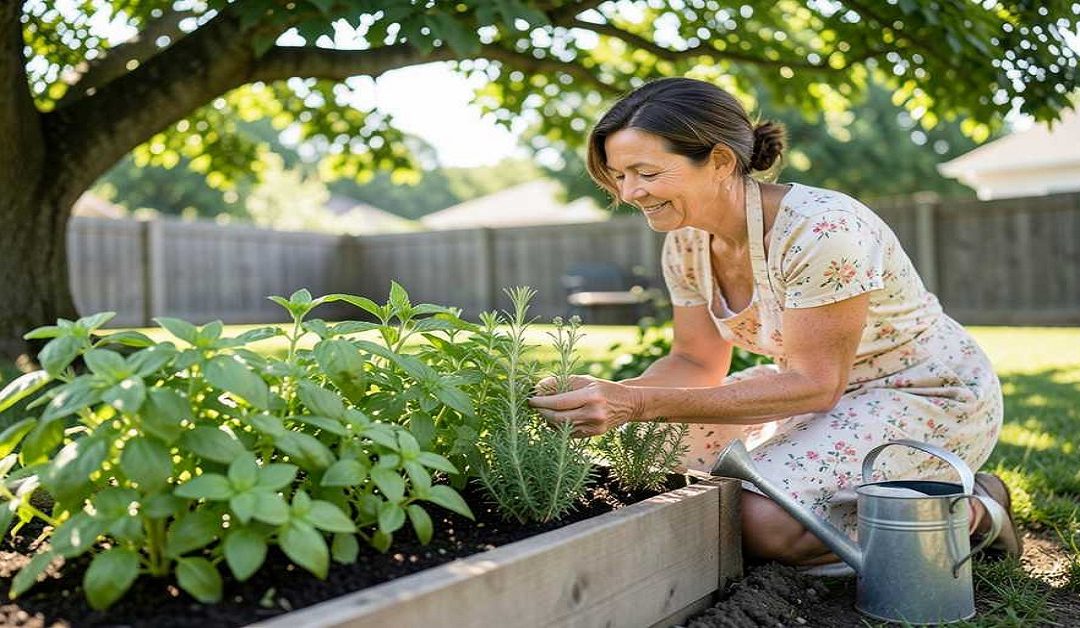
Herb gardening is one of the simplest and most rewarding ways to enhance your outdoor or indoor space. Whether you have a sprawling garden or a small balcony, growing herbs is accessible to everyone in the UK. From classic culinary favourites to lesser-known varieties, herbs can thrive in British gardens and kitchens. This guide covers everything UK gardeners need to know, from choosing the best herbs to harvesting and companion planting. By the end, you’ll have practical steps for gardening with herbs, whatever your experience level.
Key Takeaways
- The UK climate supports a wide range of culinary and medicinal herbs.
- Herbs can be grown outdoors, in containers, or indoors on sunny windowsills.
- Perennial herbs offer year-after-year harvests with minimal effort.
- Companion planting with herbs can naturally boost your garden’s health.
- Harvesting and organic care tips keep your herbs flavourful and thriving.
Why Trust This Guide?
Here’s why readers trust Epiclectic for practical, fact-checked advice:
- Editorially reviewed for accuracy
- Original and plagiarism-free
- Written for real readers, not search engines
- Regularly reviewed and updated
- Last reviewed: July 2026.
Gardening with Herbs: The Complete UK Guide
This article from Epiclectic explores gardening with herbs in the UK, including the best herbs to grow, seasonal planting tips, creative indoor and outdoor ideas, and expert advice for thriving, organic herb gardens.
Gardening with Herbs: Why Start and What to Expect
Over 75% of UK households grow at least one herb at home, according to the Royal Horticultural Society (RHS, 2026). This remarkable figure highlights just how popular and accessible gardening with herbs has become across Britain. Whether you’re looking for ways to reduce grocery bills, add fresh flavour to your meals, or support local pollinators, herb gardening delivers tangible rewards. Herbs are among the most cost-effective plants, often providing multiple harvests from a single sowing. Even a handful of seeds can yield enough basil, parsley, or chives for months of cooking. Unlike many vegetables, most herbs are forgiving of small mistakes, making them ideal for newcomers and children alike.
One misconception is that you need a large garden to enjoy homegrown herbs. In reality, a single sunny windowsill or a few pots on a patio can produce a steady supply. For example, a Manchester resident with just a balcony can grow chives and mint indoors all year, saving money and enjoying superior taste compared to supermarket herbs. This adaptability means anyone—from city dwellers to rural homeowners—can succeed with herbs, regardless of experience.
Herb gardens also support biodiversity, attracting bees, butterflies, and beneficial insects. By choosing a mix of perennials and annuals, you can enjoy fresh leaves from early spring through late autumn. If you’re interested in expanding your gardening skills beyond herbs, Epiclectic’s Gardening section offers further inspiration. For authoritative advice, see the Royal Horticultural Society’s herb growing guide.
Herb gardening is accessible to all.
Why herbs are perfect for UK gardens
Herbs suit the UK climate, thriving in both cool and warm summers. Hardy perennials like thyme and sage withstand frost, while annuals like basil offer quick results in a single season.
Who can grow herbs successfully?
Anyone with access to light can grow herbs. Even those in flats or shared housing can keep pots on window ledges or balconies.
Herbs in small spaces: pots, windowsills, and patios
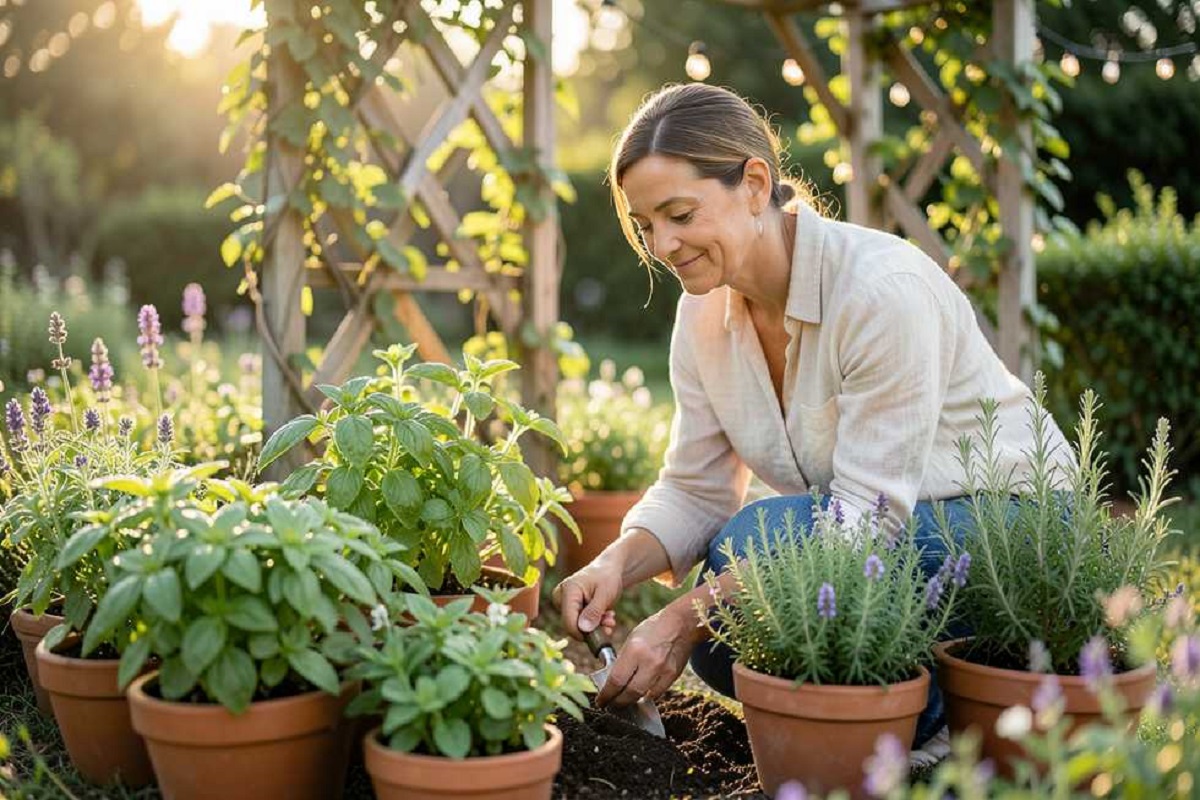
Compact herbs adapt well to containers, allowing you to start small and expand as confidence grows. Creative planters make herb gardening possible in any setting.
The Best Herbs to Grow in the UK: Top Picks for Every Gardener
Choosing the right herbs makes all the difference for UK gardeners.
- Sage, rosemary, thyme, and mint are reliable perennial herbs for British gardens, returning year after year with minimal fuss.
- Parsley, basil, and coriander are popular annuals, thriving in the UK’s summer months and perfect for sowing in spring.
- Chives and oregano are particularly resilient, making them easy herbs for beginners in the UK, and they grow well both indoors and outdoors.
- Lemon balm and tarragon add unique flavours and are often overlooked by newcomers.
- Lavender, while not always thought of as a culinary herb, is excellent for pollinators and can be used in baking and teas.
Below is a comparison of popular UK herbs, highlighting whether they are annual or perennial, their best uses, and their suitability for those new to gardening with herbs.
| Herb | Annual/Perennial | Best for | Easy for beginners? |
|---|---|---|---|
| Basil | Annual | Indoor pots, summer dishes | Yes |
| Chives | Perennial | Salads, borders, pots | Yes |
| Thyme | Perennial | Containers, ground cover | Yes |
| Coriander | Annual | Curries, salads | Yes |
| Rosemary | Perennial | Roasts, hedging | Moderate |
| Parsley | Biennial | Garnish, sauces | Yes |
For those keen to experiment, try mixing classic choices with less common options like sorrel or lovage. Many UK gardeners are surprised to learn that chervil, a delicate annual, grows exceptionally well in shaded spots, providing a subtle aniseed flavour not often found in supermarkets.
Quick Tip: For continuous supply, sow basil and coriander seeds every three weeks from April to July.
For more culinary inspiration, Epiclectic’s Food section explores how to use homegrown herbs in everyday recipes. The RHS herb directory is a valuable resource for exploring further varieties.
Mix annual and perennial herbs for year-round harvests.
Must-have perennial and annual herbs
Perennials like rosemary and mint give consistent returns, while annuals such as basil and coriander offer quick harvests and can be resown for succession crops.
Herbs for cooking, tea, and pollinators
Herbs like lemon balm and lavender attract beneficial insects and can be used in herbal teas, adding value beyond the kitchen.
Easy herbs for beginners UK
Chives, parsley, and oregano tolerate a range of conditions and are well-suited to those just starting out.
When and How to Plant Herbs in the UK: A Seasonal Guide
When is the right time to plant herbs in the UK?
| Herb | Sow Indoors | Sow Outdoors | Transplant/Plant Out |
|---|---|---|---|
| Basil | March–April | May–June | After last frost (May) |
| Chives | February–April | March–May | April–June |
| Thyme | February–April | April–May | May–June |
| Coriander | March–April | April–July | May–July |
| Rosemary | February–April | April–May | May–June |
| Parsley | February–April | March–June | April–July |
Most UK gardeners sow herb seeds indoors from late winter to early spring, giving plants a head start before moving them outside. For example, basil seeds germinate best at 18–20°C, so a heated propagator or warm windowsill is ideal. Once the risk of frost passes—usually in May—young plants can be hardened off and transplanted outdoors. Perennial herbs like rosemary and thyme can also be planted in autumn, establishing roots before winter. Many people believe herbs can only be sown in spring, but autumn planting of perennials often results in stronger plants the following year.
Soil temperature and sunlight are crucial for germination. If you lack a garden, most herbs will germinate indoors with 6+ hours of light. When sowing directly outside, ensure the soil is moist but not saturated. For a worked example, sowing parsley seeds every two weeks from March to June provides a continuous harvest from midsummer through autumn, a succession method often missed by new gardeners.
Timing is everything for successful herb gardening.
Quick Tip: For a steady supply, stagger sowings of annual herbs every three weeks from April onwards.
Find more seasonal gardening advice in Epiclectic’s Home & Living section or consult the UK herb planting calendar for detailed timelines.
UK planting calendar by herb
Each herb has a preferred sowing window, so check seed packets or trusted online sources for specifics.
Starting herbs from seed vs. buying young plants
Seeds are cost-effective, but plug plants offer a head start. Try both to see which suits your space and schedule.
Key steps: soil, light, and watering
Use peat-free compost, provide ample light, and water when the soil surface feels dry.
Herb Planter Ideas and Growing Herbs Indoors in the UK
Imagine someone who lives in a London flat with no outdoor space but dreams of harvesting fresh herbs for cooking. With a few recycled containers on a sunny windowsill, they can enjoy basil, chives, and mint all year round. Indoor herb gardening is not only possible but often more productive than many realise.
- Repurpose old teapots, mugs, or tin cans as quirky herb planters, ensuring drainage holes are added.
- Window boxes and hanging baskets make excellent use of limited space, especially for trailing herbs like thyme or oregano.
- Vertical planters—such as wall-mounted pockets or stacked pots—are ideal for small patios or balconies.
- For growing herbs indoors in the UK, choose compact varieties like basil, chives, mint, and parsley. These adapt well to the lower light levels found inside British homes.
- Place indoor planters on south or west-facing windowsills to maximise sunlight, or invest in a small LED grow light for consistent growth during winter months.
- Ensure all containers have drainage holes and use a saucer to catch excess water, preventing root rot.
- Rotate pots weekly so each side receives sunlight, encouraging even, bushy growth.
- Feed indoor herbs monthly with a diluted organic liquid fertiliser for sustained vigour.
Creative containers and careful placement are the keys to thriving indoor herbs. For more inspiration, browse Epiclectic’s Home & Living guides or the RHS container herb advice.
Quick Tip: Use recycled materials for planters—old boots, colanders, or jam jars make unique homes for herbs and reduce waste.
Every home can support a thriving herb collection.
Perennial Herbs and Companion Planting for British Gardens
Perennial herbs like thyme and sage can live 3–5 years or more in UK gardens, providing harvests every season without replanting (source: RHS, 2025). These robust plants are the backbone of a low-maintenance herb border. Unlike annuals, which need resowing each year, perennials such as rosemary, oregano, and chives return reliably each spring. Many gardeners are surprised to learn that chives can survive temperatures as low as –10°C, making them one of the hardiest perennial herbs for British gardens.
Companion planting with herbs is another powerful tool. Most people think herbs are only for the kitchen, but in fact, they can repel pests and attract pollinators throughout your vegetable patch. For example, planting basil near tomatoes can deter whitefly, while marigolds with parsley can reduce aphid numbers. Lavender and thyme attract bees, boosting pollination and crop yields. A worked example: a mixed border of sage, oregano, and lavender not only provides fresh leaves but also supports a thriving population of beneficial insects, reducing the need for chemical sprays.
Perennial herbs save time and effort for UK gardeners.
What is a perennial herb?
A perennial herb is a plant that lives for more than two years, regrowing from its root system each spring and often producing leaves throughout the year.
- Thyme and sage: thrive in borders or containers, withstand frost, and require little care.
- Rosemary: forms evergreen hedges and can be clipped for both culinary use and garden structure.
- Oregano and chives: spread gradually, offering both culinary leaves and edible flowers.
- Lavender: attracts pollinators and adds fragrance to paths and patios.
- Mint: best confined to pots to prevent spreading, but invaluable for drinks and desserts.
For more on sustainable gardening, visit Epiclectic’s Sustainability hub or the RHS companion planting guide.
Companion planting improves garden health naturally.
Quick Tip: Plant strong-scented herbs like rosemary and sage around the edges of vegetable beds to deter slugs and snails.
Top perennial herbs for the UK climate
Thyme, sage, rosemary, and chives are reliable choices that return each year with minimal attention.
Benefits of companion planting with herbs
Herbs attract beneficial insects and repel pests, reducing the need for chemical interventions.
Designing a low-maintenance herb border
Mix perennials and annuals for continuous harvests and visual interest.
Organic Herb Gardening Tips: From Soil to Harvest
Organic methods lead to healthier, more flavourful herbs and support biodiversity in your garden. For UK gardeners, switching to peat-free compost is a crucial first step—peat extraction damages vital habitats, and alternatives like coir or composted bark work just as well. Mulching with organic matter such as leaf mould or homemade compost helps retain moisture and suppress weeds, reducing the need for chemical interventions.
Many assume that organic herb gardening is difficult or expensive, but most organic techniques are accessible and low-cost. For example, rotating your herb crops each year helps prevent soil-borne diseases, while interplanting with flowers like nasturtiums or marigolds naturally deters aphids and whitefly. A misconception correction: most people believe that all herbs need rich soil, but Mediterranean herbs such as rosemary and thyme actually produce stronger flavours in poorer, well-drained soils with minimal feeding.
When it comes to harvesting herbs in the UK, timing is everything. For maximum flavour, cut leaves in the morning after dew has dried but before the sun is at its peak. This is when essential oils are most concentrated. Always use sharp scissors or secateurs, and never strip more than one-third of the plant at a time—overharvesting can weaken growth and reduce future yields. For storage, air-dry leafy herbs like sage and oregano, or freeze soft herbs like parsley and basil in ice cube trays with a little water or oil.
Organic care boosts both plant health and garden sustainability.
Quick Tip: Make your own organic fertiliser by steeping comfrey leaves in water for two weeks—strain and dilute before using on herbs.
For more sustainable gardening advice, see Epiclectic’s Sustainability section or the Soil Association’s organic gardening tips.
Soil health and organic fertilisers
Use peat-free compost and mulch with organic matter to enrich soil and retain moisture.
Natural pest and disease management
Rotate herbs, use companion plants, and encourage beneficial insects for natural pest control.
Best practices for harvesting herbs in the UK
Harvest in the morning, avoid overcutting, and store herbs promptly for lasting quality.
Glossary: Key Herb Gardening Terms Explained
What do terms like “perennial” and “companion planting” mean for UK herb gardeners?
- Perennial: A plant that lives for more than two years, regrowing each season.
- Annual: A plant that completes its life cycle in one year.
- Biennial: A plant that grows leaves in the first year and flowers/seeds in the second before dying.
- Companion planting: Growing herbs with other plants to improve growth or deter pests.
- Organic: Gardening without synthetic chemicals, using natural methods for soil, feeding, and pest control.
| Term | Definition |
|---|---|
| Perennial | Lives for several years, regrowing each spring. |
| Annual | Completes its life cycle in a single year. |
| Biennial | Grows leaves first year, flowers and dies second year. |
| Companion Planting | Pairing plants to boost health and deter pests naturally. |
| Organic | Uses only natural fertilisers and pest controls. |
For more gardening terms, Epiclectic’s Gardening glossary and the RHS beginner’s guide are helpful resources.
Common Mistakes and How to Avoid Them in UK Herb Gardening
Imagine a new gardener in Leicester who fills a large pot with basil, waters daily, and places it in a shaded corner. Within weeks, the basil droops, leaves turn yellow, and growth stalls. What went wrong? Understanding and avoiding common pitfalls is crucial for success.
| Mistake | Impact | How to Avoid |
|---|---|---|
| Overwatering herbs, especially in pots | Leads to root rot and stunted growth | Check soil before watering; use containers with drainage holes |
| Planting sun-loving herbs in deep shade | Weak, leggy plants with poor flavour | Place in spots with at least 6 hours of sunlight |
| Harvesting all the leaves at once | Stresses and weakens the plant | Always leave enough foliage for regrowth |
- Neglecting to thin seedlings leads to overcrowded, weak plants.
- Using garden soil in pots can introduce pests and diseases—use fresh, sterile compost instead.
- Forgetting to feed indoor herbs results in pale, flavourless growth—apply organic feed monthly.
For more troubleshooting tips, see Epiclectic’s Gardening advice or the Gardeners’ World herb guide.
Avoiding simple errors leads to healthier, more productive herbs.
Common Mistakes to Avoid
- Overwatering herbs, especially in pots: Poor drainage can cause root rot—always use containers with holes and water only when soil is dry to the touch.
- Planting sun-loving herbs in deep shade: Most culinary herbs need at least 6 hours of direct sunlight to remain healthy and produce flavourful leaves.
- Harvesting all the leaves at once: This can stress the plant; always leave enough foliage for regrowth.
Gardening with Herbs Near You: Leicester, London & Beyond
Gardening with herbs is popular in every part of the UK, and local conditions can influence which varieties thrive. If you’re searching for “gardening with herbs near me,” here’s what to consider in your area:
Leicester: The East Midlands’ moderate climate suits perennial herbs like chives and mint, which can be grown in containers on patios or balconies. Local gardeners often use recycled planters for creative displays.
London: Urban gardeners maximise small spaces with vertical planters and windowsill pots. Herbs like basil, coriander, and parsley do well indoors, even in flats with limited outdoor access.
Birmingham: Community gardens and allotments are popular for growing herbs. The city’s slightly warmer microclimate is ideal for Mediterranean herbs like oregano and thyme.
Manchester: With its frequent rainfall, drainage is key—herbs thrive in raised beds or pots. Mint and chives are especially reliable, even for those with only a balcony or shaded yard.
Nottingham: Gardeners here favour hardy perennials and companion planting with herbs to support vegetable plots. Indoor herb gardening is also on the rise for year-round supply.
East Midlands: Across the region, local gardening with herbs focuses on organic practices and succession planting to ensure fresh leaves from spring through autumn.
Wherever you live, local gardening clubs, community gardens, and online forums can offer region-specific advice and inspiration for your herb garden.
UK Herb Gardening by the Numbers
Frequently Asked Questions
How do I start a herb garden from scratch in the UK?
Begin with a sunny spot or windowsill, select easy herbs like basil and chives, use peat-free compost, and keep soil consistently moist.
What are the best herbs for beginners in Britain?
Chives, parsley, mint, and oregano are reliable options for those new to gardening with herbs in the UK.
How do I grow herbs organically?
Use organic compost, avoid chemical fertilisers, try companion planting, and use natural pest deterrents like companion flowers.
When is the best time to harvest herbs in the UK?
Harvest herbs in the morning, just before they flower, for peak oils and flavour.
Can I keep herbs outside in winter in the UK?
Some perennials like sage and thyme can survive UK winters, but tender herbs may need protection or to be grown indoors.
What is companion planting with herbs?
It’s the practice of growing herbs alongside other plants to deter pests, attract pollinators, and boost growth naturally.
What is companion planting?
Companion planting is the practice of growing herbs and other plants together to naturally improve growth, deter pests, and attract beneficial insects.
What is organic gardening?
Organic gardening avoids synthetic chemicals, using natural fertilisers and pest controls to support healthy soil and plants.
What is container gardening?
Container gardening means growing plants in pots, tubs, or other vessels, making it ideal for small spaces or patios.



Editorial Insight
According to Epiclectic’s editorial team: “Herb gardening in the UK is adaptable for any space and skill level, offering health, flavour, and biodiversity benefits. Emphasising perennial choices, creative containers, and organic methods maximises long-term success.”