
Tips to Protect Your Grass Seed from Birds
Introduction
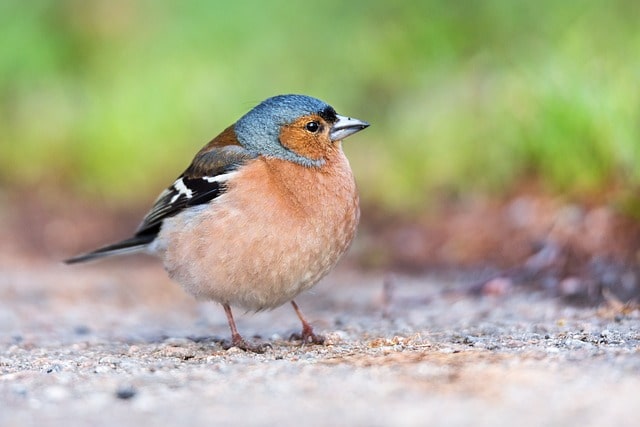
Watching grass grow is not the most exciting activity, but it is a vital part of your garden’s health and appearance. Unfortunately, one of the biggest obstacles to nurturing your grass seed into a lush carpet of green is possibly right outside – birds. Birds are not deliberate saboteurs but instead natural foragers looking for seeds to munch on. If you find yourself facing the problem of birds eating your grass seed, don’t worry. In this blog post, we will discuss numerous techniques and methods to keep these feathered intruders at bay and promote the healthy growth of your.
Understanding the Threat
Before we delve into the solutions, let’s understand why birds are attracted to grass seed in the first place. Birds have natural instincts to search for food, with small and relatively exposed seeds becoming easy targets for their keen eyesight. Thus, freshly sown grass seed is like a dinner bell for many avian creatures seeking an easy snack or a hearty meal. The voice is aura of your garden as largely uninvited guests pouncing on your grass seed can be disheartening for any gardener or homeowner putting effort into maintaining their lawn.
Effective Strategies to Deter Birds from Eating Grass Seed
Plant a cover crop: Consider planting a temporary cover crop like oats or ryegrass over freshly sown grass seed. These plants will act as a camouflage for the seeds while also providing a secondary food source for birds, minimizing their interest in excavating your grass seed.
Use bird netting: One of the most effective ways to protect your grass seed is by covering the seeded area with bird netting. This physical barrier will prevent birds from accessing the seeds and disrupting the germination process.
Install scare devices: Utilize scare devices such as reflective tape, wind chimes, or decoy predators to create a hostile environment for birds around your grass seed. These visual and auditory deterrents can help convince birds that your lawn is not the best dining spot.
Try bird repellent products: Various bird repellent products are available in the market, including sprays, granules, and gels that emit odors or tastes unpleasant to birds. Applying these repellents around the seeded area can discourage birds from feasting on your grass seed.
Set up a bird feeder: To redirect birds’ attention away from your grass seed, strategically place a bird feeder filled with seeds and grains in another area of your yard. This will provide an alternative food source for birds, reducing their reliance on your grass seed.
Increase watering frequency: By keeping the seeded area moist through frequent watering, you can make it challenging for birds to access the seeds buried beneath the soil. Additionally, moist soil promotes seed germination, contributing to faster grass growth and establishment.
Utilize natural deterrents: Some natural items like chili powder, garlic powder, or coffee grounds have repellent properties that can deter birds from foraging in your seeded lawn. Sprinkling these deterrents sparingly around the seedbed can help protect your grass seed.
Scare tactics: Making some noise by clapping hands, yelling, or using a bell periodically can startle birds and discourage them from lingering around your grass seed. While not a foolproof method, incorporating scare tactics can complement other strategies in deterring birds.
Create physical barriers: Installing temporary barriers like chicken wire, mesh fabric, or row covers over the seeded area can physically prevent birds from accessing the grass seed. Ensure that these barriers are secure and adequately cover the seeded zone.
Persistence Pays Off
While implementing these strategies can significantly improve your chances of safeguarding your grass seed from birds, it’s essential to remain persistent and adaptable. Birds are intelligent creatures capable of adjusting to deterrents over time, requiring you to rotate and combine different methods to maintain their effectiveness. Remember that cultivating a beautiful, bird-free lawn is a process that demands patience, vigilance, and a proactive approach. By staying committed to your goal and experimenting with diverse techniques, you can enjoy the sight of lush, healthy grass growth while thwarting avian intruders effectively.
So the next time you sow new grass seed and wish to nurture it to full maturity, arm yourself with these tips and techniques to keep birds at bay. With dedication and the right strategies, you can revel in the joy of watching your grass seed flourish undisturbed by hungry birds. Happy gardening!
Motion-Activated Sprinklers: A Humane, High-Tech Option
Motion-activated sprinklers detect movement and release a short burst of water whenever a bird lands nearby — startling it away without causing any harm. They’re particularly effective because birds quickly learn to avoid the area entirely after just a few surprise sprays, meaning you often need less ongoing intervention than with visual deterrents alone.
Reflective Deterrents: Foil, CDs and Shiny Objects
Hanging strips of aluminium foil, old CDs, or reflective tape around the seeded area creates unpredictable flashes of light as they move in the wind, which birds generally find unsettling. This is one of the cheapest deterrents available, since it typically uses items already at home, though it works best combined with another method rather than alone.
Does Grass Seed Type Affect Bird Interest?
Larger seed varieties, such as rye grass, tend to be more visible and attractive to birds than finer seeds like fescue, simply because they’re easier to spot and peck up. Choosing a finer-seeded variety, where it suits your lawn’s growing conditions, can make the seeded area slightly less appealing without any extra effort.
Why Fast Germination Matters
The single biggest factor in protecting grass seed long-term is how quickly it germinates — once seedlings take root, they’re far less appealing to birds than loose seed sitting on the surface. Watering little and often, sowing at the recommended depth, and choosing a good-quality seed for your specific conditions all help seed germinate faster and reduce the window where it’s vulnerable.
Bird Deterrent Comparison
| Method | Cost | Effort | Best For |
|---|---|---|---|
| Netting | Low-Medium | Medium (needs securing) | Larger seeded areas |
| Motion-activated sprinkler | Medium | Low (set and forget) | Persistent bird problems |
| Reflective objects | Very low | Low | Small areas, quick fix |
| Straw mulch | Low | Low | Combining protection with moisture retention |
FAQ
How long do I need to protect grass seed from birds?
Most grass seed needs protection for one to three weeks, until germination is well underway and the seedlings are established enough that birds lose interest.
Do bird feeders help keep birds away from grass seed?
Placing a bird feeder well away from the seeded area can help redirect birds elsewhere, though it works best combined with a physical barrier or deterrent over the seed itself rather than as a standalone solution.
Is it better to cover grass seed with soil or leave it exposed?
A light covering of soil, compost, or straw (no more than about ⅛ inch) both hides the seed from birds and helps retain moisture for germination, making it one of the simplest and most effective steps you can take.
Final Thoughts: Protecting Your Grass Seed for Good
Keeping birds away from freshly sown grass seed usually comes down to combining two things: a physical or visual deterrent to buy time, and conditions that help the seed germinate as quickly as possible. Netting or reflective objects handle the short-term problem, while fast, even germination is what ultimately makes the seed uninteresting to birds for good.
There’s no single method that works everywhere, since bird behaviour, seed type, and lawn size all vary. Start with a light covering of soil or straw and one visual or physical deterrent, then add a motion-activated sprinkler if birds are especially persistent in your garden. Within one to three weeks, once your grass is established, the problem generally resolves itself.