
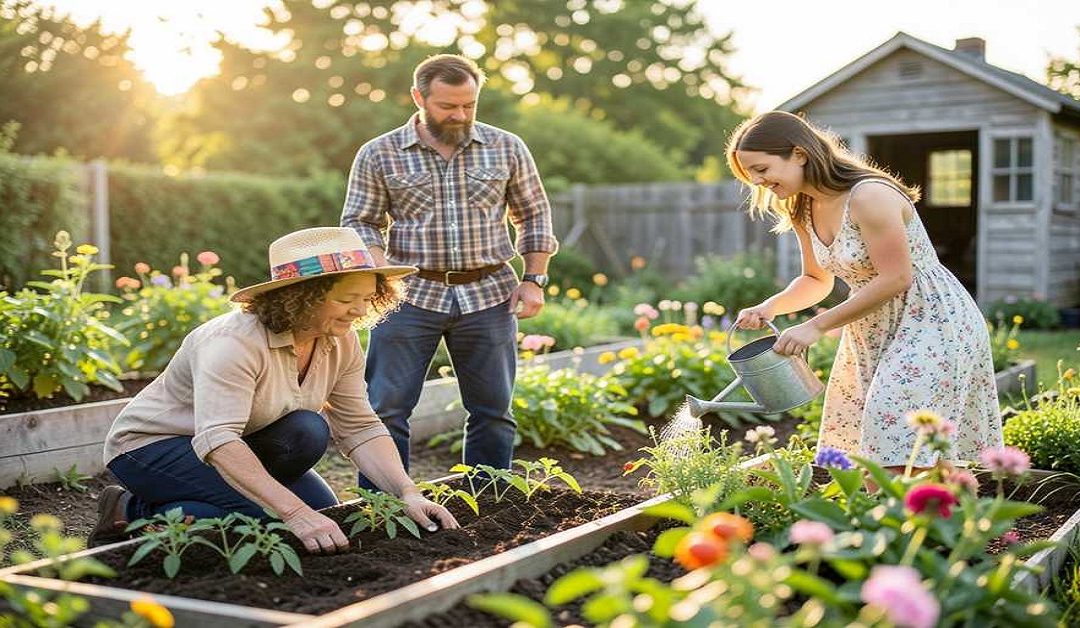
Gardening can seem daunting, but it’s one of the most rewarding hobbies you can start in the UK. Whether you have a sprawling lawn or a tiny balcony, there are practical steps to turn any space green. This beginner gardening guide will walk you through planning, planting, and maintaining your own garden. From small garden ideas to UK climate advice, discover how to create a flourishing outdoor space for every season. By the end, you’ll know exactly how do you garden successfully in the UK, with clear steps and expert-backed advice from Epiclectic.
Begin gardening in the UK by assessing your space, improving your soil, and choosing climate-suitable plants. Plan and plant at the right time, and maintain your garden with regular care.
Key Takeaways
- Start with easy plants and a clear garden plan for the UK climate.
- Soil improvement and regular maintenance are the keys to success.
- Timing your planting is crucial—know the UK’s best seasons for different crops.
- Small gardens can be just as productive and beautiful as large ones.
- There are many resources and organisations to support your gardening journey.
Why Trust This Guide?
Epiclectic provides practical, fact-checked advice for UK gardeners at every level:
- Editorially reviewed for accuracy
- Original and plagiarism-free
- Written for real readers, not search engines
- Regularly reviewed and updated
- Last reviewed: July 2026.
How Do You Garden? Complete UK Guide for Beginners
This guide explains how do you garden in the UK, including practical tips, seasonal advice, and answers to common questions. Whether you’re starting from scratch or looking to improve your current garden, you’ll find proven strategies and inspiration below.
Getting Started: How Do You Garden in the UK?
Over 27 million people in the UK participate in gardening, according to the Royal Horticultural Society (RHS). This immense popularity means there’s a wealth of collective experience and resources available for newcomers. If you’re searching for a beginner gardening guide, you’re not alone—more than one in three UK residents dig, plant, or nurture their outdoor spaces each year.
Why is gardening so popular in the UK? The country’s varied climate supports a broad range of plants, and even small gardens or balconies can become productive green havens. Gardening is proven to boost wellbeing, with the RHS reporting that 57% of gardeners feel less stressed after time outdoors (source: RHS).
To begin, focus on a manageable area. Most new gardeners overestimate how much space and time they can handle. Start with a small bed, a few pots, or a single raised planter. Assess your plot’s sunlight—most vegetables and flowers need at least six hours of direct light daily. Next, check your soil. Is it clay, sand, or loam? Each type affects drainage and plant choice. Understanding your local climate is equally vital, as even within the UK, conditions vary: the Met Office divides the country into 30 climate regions, each with unique rainfall and temperature patterns.
You’ll need a few essential tools: a trowel, fork, watering can, and gloves. Don’t rush to buy everything at once—borrow or share tools where possible. As you gain confidence, you’ll discover what works best for your space and budget.
Quick Tip: Keep a simple garden diary to track what you plant and when. This helps you learn from successes and setbacks.
If you’re interested in more detailed advice, Epiclectic’s Gardening section offers further practical guides for UK conditions.
Why Gardening is Popular in the UK
The UK’s love affair with gardening stems from its temperate climate, long daylight hours in summer, and a strong tradition of community allotments and garden shows. The National Allotment Society estimates there are over 330,000 allotment plots across the country, making communal gardening accessible to many urban residents.
First Steps for UK Beginners
Begin by observing your outdoor space at different times of day. Notice where the sun falls and where shade lingers. Test your soil’s texture by squeezing a handful—if it forms a sticky ball, it’s likely clay; if it crumbles, it’s sand or loam. Note any drainage issues after rain, as waterlogged soil limits plant choices.
Essential Tools and Equipment
Start with the basics: a hand trowel for planting, a fork for loosening soil, sturdy gloves, and a watering can. As you progress, consider a hoe for weeding and a rake for levelling beds. For container gardening, lightweight pots and quality compost are essential.
Planning Your Garden: Tips and Layouts for UK Success
Good planning is the foundation of every thriving UK garden. Without a thoughtful layout and clear priorities, even experienced gardeners can struggle. Here are practical gardening tips UK residents can use to maximise their space and effort:
- Assess your available space and sunlight before buying any plants.
- Use raised beds or containers for flexibility—especially if your soil is poor or you want to garden on a patio.
- Plan for year-round interest by mixing evergreens, bulbs, and seasonal flowers.
- Group plants with similar water and light needs together for easier care.
- Consider wildlife—add pollinator-friendly flowers to attract bees and butterflies.
- Think vertically: trellises, wall planters, and hanging baskets save ground space.
- Don’t forget access—leave paths or stepping stones for easy maintenance.
Quick Tip: Sketch your garden on paper before you buy anything. This helps you visualise spacing and avoid overcrowding.
Below is a comparison of common UK garden layouts, so you can choose the one that fits your needs and maintenance preferences:
| Garden Type | Best For | Maintenance Level | Cost | Typical Plants |
|---|---|---|---|---|
| Traditional | Large spaces | Medium | Low | Perennials, shrubs |
| Raised Bed | Poor soil, accessibility | Low | Medium | Vegetables, herbs |
| Container | Small spaces, flexibility | Low | Low | Salad leaves, flowers |
Choosing the right layout can make maintenance easier and increase yields, especially in small or urban gardens. For more inspiration, see Epiclectic’s Home & Living guides or explore further advice at Gardeners’ World.
Most people think garden layout only matters for large gardens. Actually, small gardens benefit even more from clever design—vertical gardening or mixed planting can double your usable space without extra land.
Top UK Gardening Tips
Prioritise soil quality, choose plants suited to your climate, and plan for easy watering. These steps help prevent common problems and set you up for long-term success.
Garden Layout Options
Raised beds warm up faster in spring, allowing earlier planting. Containers are perfect for renters or balconies, while traditional beds suit established gardens with good soil.
Mistakes to Avoid When Planning
Avoid planting tall crops where they’ll shade smaller ones. Don’t ignore access routes—reaching every plant makes maintenance easier. Finally, resist the urge to buy too many plants at once; start small and expand as you gain confidence.
When to Plant: The Best Time to Plant in the UK
When is the best time to plant in UK gardens? The answer depends on what you want to grow and your local conditions. To help you plan, here’s a seasonal planting calendar for the UK:
| Month | Vegetables | Flowers | Tasks |
|---|---|---|---|
| March–May (Spring) | Potatoes, carrots, peas | Daffodils, tulips (bulbs planted in autumn) | Sow seeds, plant seedlings after last frost |
| June–August (Summer) | Salad leaves, beans, courgettes | Annuals, bedding plants | Watering, feeding, deadheading |
| September–November (Autumn) | Garlic, broad beans | Spring bulbs (for next year) | Prepare soil, plant bulbs, mulch beds |
| December–February (Winter) | None outdoors (use greenhouse) | Winter pansies, hellebores | Prune trees, plan next season |
Most vegetables and annuals are best planted in spring, once the risk of frost has passed. The Met Office provides detailed frost date maps, and these can vary by as much as four weeks between the south coast and northern Scotland (source: Met Office). For example, in Nottingham, the average last frost is in early May, while in London it’s often mid-April. Always check your local forecast before sowing seeds outdoors.
Here’s a misconception correction: Many new gardeners think they can plant as soon as the weather feels warm. Actually, a single late frost can wipe out tender seedlings. Always check the last expected frost date in your area before direct sowing.
What is a frost date?
A frost date is the average last or first date a region experiences frost, used to guide safe planting times for tender plants.
Autumn is ideal for planting hardy perennials and spring-flowering bulbs, as the soil is still warm and moist. This gives roots time to establish before winter. Some vegetables, like garlic and broad beans, also benefit from autumn planting.
For more on sustainable gardening and climate adaptation, explore Epiclectic’s Sustainability section.
Seasonal Planting Calendar
Plan your sowing and planting by the calendar above, but always adjust for your local microclimate and weather patterns.
Understanding UK Frost Dates
Check the Met Office or local gardening groups for frost date updates. These can shift year to year, so don’t rely solely on averages.
Timing Tips for Beginners
Start seeds indoors if you want a head start, but harden off young plants before moving them outside. This gradual acclimatisation prevents shock and improves survival rates.
Choosing Plants: What Vegetables and Flowers Grow Well in the UK?
Imagine someone who wants to fill their garden with reliable, easy plants but isn’t sure where to begin. The UK’s climate is well-suited to a wide range of vegetables, flowers, and shrubs. Here’s what to choose for the best chance of success:
- Lettuce, carrots, and potatoes are some of the most dependable crops for UK beginners.
- Radishes, peas, and runner beans also perform well, even in cooler summers.
- For easy plants for UK gardens, try salad leaves, dwarf French beans, and courgettes—these mature quickly and need little fuss.
- Herbs like chives, parsley, and mint thrive in pots or beds and can be harvested repeatedly.
- For flowers, lavender, geraniums, and hardy shrubs (such as hebe and box) are reliable choices that cope with UK rainfall and temperature swings.
- Choose disease-resistant vegetable varieties to minimise losses—look for those marked as “clubroot resistant” or “blight resistant” on seed packets.
- Native wildflowers, such as foxgloves and primroses, attract pollinators and require minimal care.
Quick Tip: If you’re short on space, opt for compact or dwarf vegetable varieties. They’re perfect for containers or small beds.
Many people assume only large gardens can produce meaningful harvests. In reality, a single square metre can yield up to 10kg of salad leaves and radishes in a season if managed well—something rarely mentioned in standard guides.
For more inspiration on what vegetables grow well in UK gardens, see Epiclectic’s Food section or consult the RHS advice page.
Easy Plants for UK Gardens
Salad leaves, potatoes, and dwarf beans are low-maintenance and give reliable results for new gardeners.
Best Vegetables for UK Growers
Carrots, peas, and courgettes thrive in most UK soils and climates, making them excellent choices for first-time gardeners.
Flowers and Shrubs That Thrive
Hardy geraniums, lavender, and evergreen shrubs like hebe provide colour, structure, and resilience in unpredictable weather.
Improving and Maintaining Your UK Garden: Soil, Care, and Climate Advice
According to Garden Organic, 70% of UK gardens have soil that benefits from added organic matter. Improving your soil is one of the most effective ways to boost plant health and yields. Most UK soils are either heavy clay, which holds water and compacts easily, or sandy, which drains too quickly. Both types need organic matter—like compost or well-rotted manure—to improve structure and fertility.
Regular maintenance is key to a thriving garden. This includes weeding, mulching, and watering during dry spells. Mulch helps retain moisture and suppresses weeds, saving you time and effort. In wetter UK regions, raised beds or adding grit to soil can improve drainage and prevent root rot.
Quick Tip: Test your soil’s pH with a simple kit. Most vegetables prefer neutral to slightly alkaline soil (pH 6.5–7.5). If your soil is too acidic, add garden lime.
Here are the most important tasks for UK garden maintenance:
- Weed beds regularly to prevent competition for nutrients.
- Mulch with compost or bark chips to conserve water.
- Feed plants with a balanced fertiliser in spring and summer.
- Water deeply rather than little and often—this encourages deep roots.
- Check for pests like slugs and aphids, especially after rain.
- Prune shrubs and trees in the dormant season to promote healthy growth.
Many gardeners overlook the impact of microclimates—sheltered spots near walls can be several degrees warmer than open ground, allowing you to try more tender plants.
For further details on how to improve garden soil UK-wide, visit Garden Organic or see Epiclectic’s Sustainability resources.
How to Improve Garden Soil UK
Add compost, leaf mould, or well-rotted manure annually. This boosts nutrients, improves structure, and supports beneficial soil life.
Essential Maintenance Tasks
Routine weeding, feeding, and mulching make a big difference. Adjust watering and feeding to match the season and rainfall.
Climate-Specific Gardening Advice
Adapt your care to local rainfall and temperature swings. In drier regions, mulch and drought-tolerant plants are essential; in wetter areas, improve drainage and choose resilient varieties.
How to Start a Garden from Scratch in the UK
Anyone can start a garden from scratch, regardless of experience or budget. The key is to break the process into clear, manageable steps. Begin by clearing your chosen area of weeds, grass, and debris. Use a spade or fork to loosen the soil—if it’s compacted, work in compost or sand to improve drainage. For heavy clay, a layer of organic matter each year gradually transforms the soil.
Next, sketch a simple layout. Decide where you’ll place beds, paths, and containers. Start with just one or two beds—trying to do everything at once can be overwhelming. If you’re on a tight budget, look for recycled materials: old bricks for edging, wooden pallets for compost bins, or upcycled containers for planting. Community gardening groups often share seeds and resources, so don’t hesitate to connect locally.
Water your new beds well and mulch to retain moisture. Plant easy, quick-maturing crops like salad leaves or radishes for instant results. As you gain confidence, expand your plant selection and layout. Remember, patience is vital—a productive garden develops over several seasons.
Quick Tip: Join a local gardening club or online group. These communities offer free advice, plant swaps, and moral support for new gardeners.
For further reading on how to start a garden from scratch UK-wide, see Epiclectic’s Home & Living category or visit the Soil Association for organic gardening resources.
Clearing and Preparing Your Plot
Remove all weeds, stones, and debris before planting. For persistent weeds, cover the area with cardboard and compost for several weeks—this smothers growth and enriches the soil.
Step-by-Step for Beginners
Start with one bed or a few containers. Plant easy crops first, then gradually add more challenging varieties as your skills grow.
Budget-Friendly Garden Start-Up
Use recycled materials, swap seeds with neighbours, and make your own compost to keep costs down.
Small Garden Ideas UK: Making the Most of Compact Spaces
How can you make a small UK garden productive and beautiful? The answer lies in creative design and plant choice. Here are some simple gardening tips for small gardens UK residents can use for maximum impact:
- Use vertical planters, trellises, and hanging baskets to add growing space without using more ground area.
- Choose compact or dwarf plant varieties that won’t outgrow their space.
- Group pots and containers by water needs for easier care.
- Install mirrors or pale surfaces to reflect light and make the space feel larger.
- Plan easy access to every plant—raised beds or narrow borders work well.
- Mix edibles and ornamentals for a lush, productive look.
Here’s a table comparing popular small garden approaches:
| Approach | Best For | Maintenance | Space Needed |
|---|---|---|---|
| Vertical Gardening | Balconies, courtyards | Low | Minimal |
| Container Grouping | Patios, paved areas | Low | Flexible |
| Mixed Borders | Small lawns, side returns | Medium | Moderate |
With the right approach, even a 2×2 metre patio can host salad leaves, herbs, and colourful flowers. For more small garden ideas UK-wide, visit Epiclectic’s Gardening guides or the RHS small gardens page.
Think small, plant smart.
Creative Solutions for Limited Space
Stack planters, use shelves, and hang baskets to multiply your growing area vertically.
Container and Vertical Gardening
Containers allow you to move plants for sun or shelter. Vertical gardens suit climbing beans, peas, and trailing flowers.
Low-Maintenance Options
Dwarf shrubs, succulents, and perennial herbs need little attention but add structure and beauty.
UK Garden Maintenance: Year-Round Care for Every Season
Imagine someone who wants their garden to flourish, no matter the month. Year-round UK garden maintenance is about routine, not hard labour. Here’s a monthly overview to keep your space thriving:
| Month | Key Tasks | Common Problems | Tips |
|---|---|---|---|
| January | Prune trees, plan crops | Waterlogging | Check drainage, avoid walking on wet soil |
| March | Sow seeds, tidy beds | Late frosts | Protect seedlings with cloches |
| June | Weed, mulch, feed | Slugs, aphids | Hand-pick pests, use barriers |
| September | Harvest, plant bulbs | Mildew | Improve air flow, remove debris |
| December | Mulch, protect tender plants | Frost damage | Cover with fleece or move pots indoors |
Sticking to a simple monthly routine prevents small problems from becoming major setbacks. For more detailed monthly advice, see Epiclectic’s Gardening section or the RHS in-month page.
Consistent care beats occasional bursts of effort.
Monthly Maintenance Tasks
Prune, feed, mulch, and check for pests every month. Adjust your approach as the weather changes.
Common UK Garden Challenges
Watch for slugs, aphids, and fungal diseases—especially after wet spells. Mulching and regular checks help prevent outbreaks.
Tips for a Thriving Garden Year-Round
Use ground cover to keep weeds down, water deeply in dry spells, and rotate crops to prevent soil exhaustion.
Gardening in Your Area: Tips for Leicester, London, Birmingham, Manchester, Nottingham & the East Midlands
Local conditions play a big role in how do you garden successfully. Here’s what to consider in key UK cities and regions:
In Leicester, clay soils are common, so adding compost and grit improves drainage. Local gardening UK groups often organise seed swaps and plant sales, making it easy to find regionally adapted varieties.
London gardeners must contend with warmer microclimates and limited space. Container gardening and drought-tolerant plants are popular, especially in central boroughs. Check for local gardening UK advice on green roofs and balcony planting.
Birmingham’s gardens benefit from slightly higher rainfall but can suffer from waterlogging. Raised beds and regular mulching help keep soil productive.
Manchester’s wet climate means choosing disease-resistant plants and improving drainage is crucial. Many residents use rainwater harvesting to keep gardens hydrated during dry spells.
Nottingham is known for its allotment culture. Many plots have sandy soils, so adding organic matter is essential for moisture retention and fertility.
In the East Midlands, gardens range from heavy clay to light sand. Regional gardening clubs offer tailored advice, and local councils sometimes provide free compost or mulch.
Wherever you are, searching “how do you garden near me” or “local gardening UK” connects you with community resources, events, and advice for your specific climate and soil.
UK Gardening by the Numbers: Key Statistics
What is the Royal Horticultural Society (RHS)?
The Royal Horticultural Society (RHS) is the UK’s leading gardening charity, providing research, advice, and education for gardeners of all levels.
What is Garden Organic?
Garden Organic is a UK charity dedicated to promoting organic gardening and sustainable horticulture through research, education, and community projects.
What is the Soil Association?
The Soil Association is a UK organisation that certifies organic food and farming, and offers advice on organic gardening and sustainable soil management.
Common Mistakes to Avoid
- Planting too early in the season: Frost can damage seedlings; always check local last frost dates.
- Neglecting soil health: Poor soil leads to weak plants—regularly add compost and mulch.
- Overcrowding plants: Give each plant enough space to avoid competition and disease.
Frequently Asked Questions
How do you start a garden from scratch in the UK?
Clear weeds, test the soil, add compost, and start with easy plants suited to your region.
What are the easiest plants to grow for beginners in the UK?
Try salad leaves, dwarf beans, potatoes, and hardy perennials—these are reliable and low-maintenance.
What is the best time to plant in the UK climate?
Spring (March–May) is best for most plants, but some bulbs and perennials do well in autumn.
How can I improve garden soil in the UK?
Add organic matter like compost or well-rotted manure; mulch to retain moisture and suppress weeds.
What are some good small garden ideas for UK homes?
Use vertical planters, containers, and select compact plants for colour and productivity.
How do I maintain my garden throughout the UK seasons?
Follow a monthly routine: prune, feed, mulch, and check for pests. Adjust care based on weather changes.
Next Steps
- Review Epiclectic’s Gardening guides for detailed advice on specific plants and garden types.
- Explore Home & Living for creative garden design and sustainability ideas.
- Connect with local gardening clubs or online forums for region-specific advice and plant swaps.



Editorial Insight
According to Epiclectic’s editorial team: “UK gardening success depends on matching plants to your local climate and soil, starting small, and learning from each season. Don’t be afraid of mistakes—each one is a step towards a thriving garden.”