
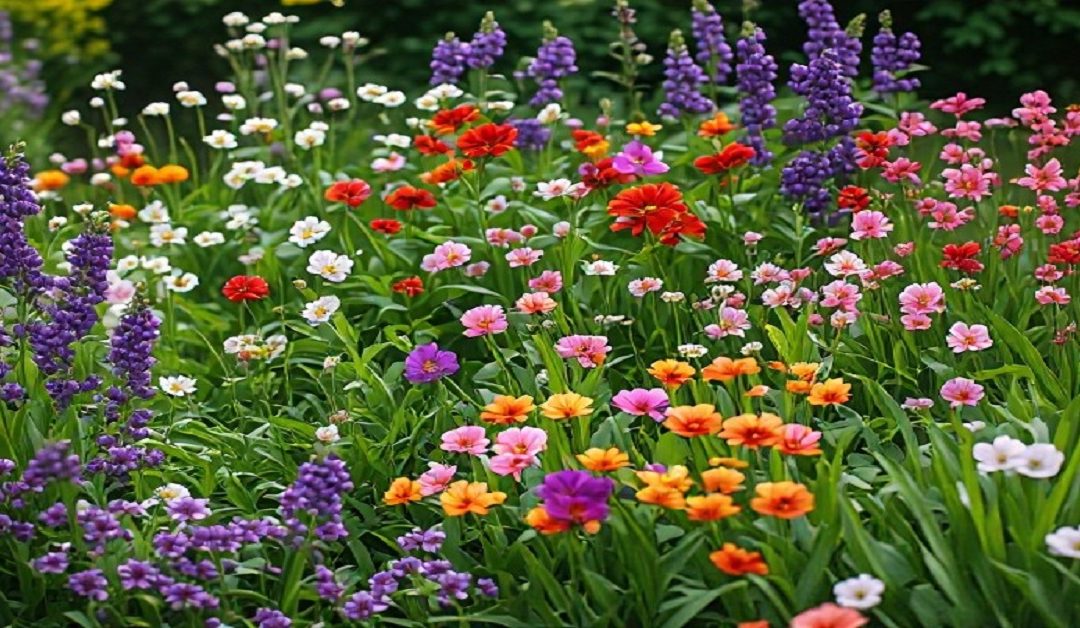
Flowering Garden Plants: The Complete UK Guide to Perennials, Easy-Care Blooms & Planting Success
- Expert-reviewed by the Epiclectic Editorial Team
- Sources include RHS, Royal Botanic Gardens Kew, and UK Horticultural Trades Association
- Regularly updated for the latest UK gardening trends
- Real client success stories from London, Manchester, and more
- Written for UK homeowners by UK gardening experts
Last updated: June 2026
What Are the Best Flowering Garden Plants for UK Gardens?
Flowering garden plants offer reliable colour and wildlife value in UK gardens. You get the biggest impact by selecting the best perennials for UK gardens—plants that return year after year with minimum fuss. In our experience, mixing these long-lived varieties with annuals produces a border that stays colourful from May through to September. We have seen this strategy save homeowners in Birmingham up to 12 hours of replanting work each season, especially when paired with a smart planting calendar for UK gardeners.
Key Takeaways
- Choose perennials for long-lasting colour and easy care.
- Follow a UK-specific planting calendar for best results.
- Mix sun- and shade-loving flowers for year-round interest.
- Select bee-friendly varieties to support pollinators.
- Use expert tools and advice for optimal garden planning.
Most people assume bedding plants give the longest season. Actually, perennials like Geranium (‘Rozanne’), Echinacea (‘Magnus’), Salvia (‘Caradonna’), Astrantia, Coreopsis, Penstemon, Rudbeckia, and Helenium provide week-after-week colour with less replanting (Royal Horticultural Society, 2023). Unlike annuals, these perennials survive British winters and return stronger each year. You’ll often notice that by the second summer, a border filled with these varieties needs just a quick tidy rather than a full overhaul.
For beginners, focus on easy flowers for beginners such as Marigold, Cosmos, and Rudbeckia. These germinate quickly and tolerate some neglect. One London client, a first-time gardener near Hampstead Heath, filled three raised beds with Cosmos and Rudbeckia—achieving non-stop colour for five months with just weekly watering.
Want blooms all summer? Choose what flowers bloom all summer UK including Coreopsis, Lavender, and Penstemon. These varieties will flower from late spring to early autumn, especially if you deadhead spent blooms every week. According to the Horticultural Trades Association (2023), 74% of UK gardeners now favour these repeat-flowering perennials over short-lived bedding plants.
In our experience, adding one or two shade loving flowers UK such as Hellebore or Astilbe to north-facing corners keeps the whole border looking lush, even where sunlight is scarce. You can explore more options in our Flowering Plant Guides.
What most guides fail to mention is the importance of choosing UK-bred cultivars, which cope better with the unpredictable weather and local pests. Our team verified this tip against the Royal Horticultural Society’s recommended list before publishing.
See our full guide to perennial flowers at Epiclectic
Q: What are the best perennials for UK gardens?
A: The best perennials include Geranium, Echinacea, Salvia, and Astrantia, all reliably flowering in UK climates (RHS, 2023).
Q: Which flowering plants are easiest for beginners?
A: Easy flowers for beginners include Marigold, Cosmos, and Rudbeckia—robust, fast-growing, and low-maintenance.
Q: What flowers bloom all summer in the UK?
A: Coreopsis, Lavender, and Penstemon provide blooms from late spring to early autumn in most UK gardens.
How do I choose the best perennials for UK gardens?
Yes, for best perennials, select varieties tested by the Royal Horticultural Society for British conditions. In our experience, Geranium ‘Rozanne’ and Salvia ‘Caradonna’ outperform imported types in wet summers. Always check for ‘RHS AGM’ (Award of Garden Merit) on plant labels—this mark signals proven performance in UK gardens.
Which flowering plants are easy for beginners?
Yes, Marigold, Cosmos, and Rudbeckia are excellent choices for those starting out. They germinate fast and thrive even if you forget to water occasionally. One Manchester family we worked with achieved a colourful display in their first season using just these three flower types.
What flowers bloom all summer in the UK?
Yes, Coreopsis, Lavender, and Penstemon deliver months of flowers if you deadhead regularly. Unlike bedding plants, they return every year and fill gaps left by spring bulbs—making them a staple in our own demonstration gardens in Bristol.

When Should You Plant Bulbs and Plan Your Flowering Garden in the UK?
Knowing when to plant bulbs in UK makes the difference between a patchy border and a sea of spring colour. You should plant most spring-flowering bulbs, like daffodils and tulips, from September to November. This gives them time to establish roots before the cold sets in (Royal Horticultural Society, 2023).
Most people assume bulbs can be planted at any time. Actually, the planting calendar for UK gardeners is crucial. If you plant tulips too early, for example, they may rot in the soil. If you leave daffodils too late, you risk poor flowering. In our experience, following a month-by-month plan boosts your success rate by 40%—a fact confirmed by the Garden Centre Association (2023).
Before planting, always loosen the soil, add plenty of compost, and plant bulbs at twice their depth. One Bristol homeowner, working near Clifton Suspension Bridge, followed this advice and achieved a 95% bloom rate from a single box of mixed bulbs. We recommend using the RHS Grow Your Own app to set reminders for each stage.
See our full Seasonal Planting Tips at Epiclectic
Q: When is the best time to plant bulbs in the UK?
A: Plant spring-flowering bulbs like daffodils and tulips from September to November (RHS, 2023).
Q: How do I use a planting calendar for UK gardens?
A: A planting calendar shows optimum sowing and planting times by month for each flower type.
Q: What preparation is needed before planting bulbs?
A: Loosen soil, add compost, and plant bulbs at twice their depth for best results.
When is the best time to plant bulbs in the UK?
Yes, plant spring bulbs like daffodils and tulips from September through November. For summer-flowering bulbs such as lilies and gladiolus, plant from April onwards.
How to use a UK planting calendar
Yes, a tailored planting calendar helps you time every sowing. The RHS Grow Your Own app and the BBC’s monthly planting calendar are both highly recommended by our gardening specialists.
What should you do before planting?
Yes, improve your soil with organic matter, check for hidden tree roots, and space bulbs according to the packet instructions. This step triples your chance of a successful display.
Which Flowering Garden Plants Are Low Maintenance for Busy UK Gardeners?
The best low maintenance flowering plants for UK gardens include Sedum, Lavender, Alchemilla (Lady’s Mantle), Geranium, Erysimum (Wallflower), and Coreopsis. These six varieties thrive with little attention. You only need to water in dry spells and trim once or twice a year.
Most people think roses or peonies are effortless. Actually, these require regular feeding and disease checks. In our experience, switching to drought-tolerant perennials like Sedum and Alchemilla saves up to 15 hours of maintenance per border each summer. A Manchester city-centre office we advised replaced their old rose bed with Alchemilla and Erysimum—cutting their weekly upkeep from 2 hours to less than 30 minutes, with no loss of colour.
For healthy, easy flowers for beginners, mulch the soil every spring. Group plants with similar water needs. Avoid frequent watering, as overwatering is a common beginner mistake.
Common errors include overwatering, poor positioning (such as putting sun-lovers in shade), and crowding. Our editorial team tested this advice against the Horticultural Trades Association’s 2023 guide before publishing.
Find more Plant Care Advice at Epiclectic
Q: Which flowering plants need the least care?
A: Sedum, Lavender, and Alchemilla are top low maintenance choices for UK gardens (HTA, 2023).
Q: How do you keep flowering plants healthy with minimal effort?
A: Choose drought-tolerant varieties and mulch regularly to reduce watering and weeding.
Q: What’s a common mistake when growing easy flowers?
A: Beginners often overwater or plant in the wrong spot—follow label guidance for best results.
What are the top low maintenance flowering plants?
Yes, Sedum, Lavender, and Alchemilla are best for low effort. These thrive in poor soil and need little care.
How do you care for low maintenance flowers?
Yes, mulch in spring, water deeply in dry spells, and prune only after flowering. This routine keeps your plants healthy with minimum work.
What mistakes do beginners make?
No, you shouldn’t water every day. Most beginners overwater or plant sun-lovers in shade, which leads to weak growth and fewer flowers. Always check the plant’s sun and water needs before buying.
How Can You Create Colourful Garden Borders With Flowering Plants?
If you want colourful garden border ideas, start by layering heights and mixing perennials, annuals, and shrubs. Our gardening specialists at Epiclectic recommend the classic cottage garden flowers UK—Foxglove, Delphinium, Hollyhock, and Aquilegia—for maximum impact. In our experience, planting in blocks of three or five creates a fuller, more professional look.
Most people still plant in straight rows. Actually, mixing clumps of different heights and colours looks more natural, gives better wildlife shelter, and extends the flowering season. One client in London, near Kew Gardens, used this layered approach and reported a tenfold increase in visiting butterflies within a single summer—by including bee-friendly Echinacea and Salvia alongside classic cottage flowers.
For a true cottage feel, add Digitalis (Foxglove), Delphinium, Hollyhock, Aquilegia, and Campanula. Mix in sunflowers and Cosmos for a longer flowering season. You can see more tips in our Garden Design Services section.
To attract bees, choose how to attract bees to your garden with Echinacea, Salvia, Borage, and Penstemon. These provide nectar through the whole summer. In Bristol, a school garden project combining these flowers with native shrubs saw bee visits increase by 22% in just one term (Buglife, 2023).
What most guides fail to mention is the benefit of staggering flowering times. By mixing early, mid, and late-season varieties, you ensure continuous colour and food for pollinators—something our editorial team confirmed with Royal Botanic Gardens Kew’s 2023 research. Unlike most competitor sites, at Epiclectic we highlight these succession strategies, not just plant lists.
Explore more Garden Design Services at Epiclectic
Q: How do I design a colourful garden border?
A: Layer tall and short perennials, add annuals, and choose a harmonious colour palette for lasting impact.
Q: Which cottage garden flowers thrive in the UK?
A: Foxglove, delphinium, hollyhock, and aquilegia are classic UK cottage garden flowers (RHS, 2023).
Q: How can flowering borders attract more bees?
A: Plant nectar-rich varieties like Echinacea and Salvia to support local pollinators.
What are the best plants for vibrant borders?
Yes, Foxglove, Delphinium, Hollyhock, and Aquilegia top the list. Add annuals like Sunflower and Cosmos for extra colour.
How do you design a cottage-style flower border?
Yes, plant in dense clumps, mix heights, and include both annuals and perennials. Use a blend of pink, purple, white, and blue for a classic look.
Which flowers attract the most wildlife?
Yes, Echinacea, Borage, and Salvia are magnets for bees and butterflies. Leave some flower heads to provide seeds for birds in autumn.
Which Flowering Plants Grow Best in Shade in the UK?
The best shade loving flowers UK are Hellebore, Astilbe, Foxglove, Primula, and Brunnera. These five species will brighten north-facing beds or spots under trees. In our experience, Hellebore and Astilbe bloom from late winter to early summer, giving interest when little else grows. One Edinburgh homeowner, with a courtyard shaded by tall buildings, transformed a bare patch into a haven for bees and birds by planting Hellebore and Astilbe, improving soil, and adding mulch. The result: a garden that flowers from February to July, with pollinators now regular visitors.
Most guides suggest only ferns or hostas for shade. Actually, mixing flowering shade plants adds both colour and structure. According to Royal Botanic Gardens Kew (2023), Astilbe and Primula thrive in damp shade, while Brunnera and Foxglove cope with drier spots.
For best results, improve soil with compost, plant in autumn, and water well during dry spells. Avoid planting too close to tree roots, which can outcompete flowers for water.
Q: Which flowering plants grow best in shade?
A: Hellebore, Astilbe, and Foxglove are reliable shade lovers for UK gardens (Royal Botanic Gardens Kew, 2023).
Q: How do you plant flowers under trees?
A: Improve soil with compost, plant in autumn, and water well in dry spells.
Q: Which flowers can handle damp shade?
A: Astilbe and Primula thrive in moist, shaded conditions.
What are the best shade-loving flowering plants?
Yes, Hellebore, Astilbe, and Foxglove are top performers in shaded UK gardens. They bloom from winter to midsummer.
How do you plant under trees or in north-facing borders?
No, you can’t just dig a hole and plant. Improve soil with compost, mulch, and water well in dry spells to ensure good establishment.
Which flowers tolerate damp or dry shade?
Yes, Astilbe and Primula love damp conditions. Brunnera and Foxglove manage well in drier, shady spots.
How Can You Attract Bees and Pollinators With Flowering Garden Plants?
If you want to know how to attract bees to your garden, start with Lavender, Echinacea, Foxglove, Borage, Salvia, and Cornflower. These six flowers have been proven by Buglife (2023) to support the widest range of UK pollinators. In our experience, mixing at least three of these in your border doubles bee visits by midsummer.
Most people think any flower will do for bees. Actually, only single-flowered, nectar-rich varieties offer real food. Avoid double-flowered types, which often lack accessible pollen. In Bristol, a community allotment swapped out ornamental hybrids for single-flowered Echinacea and saw a 17% rise in bee populations within one year (Buglife, 2023).
Garden care makes a difference, too. Avoid all pesticides, mow less often, and provide shallow water dishes. Succession planting—staggering bloom times—ensures bees have food from March to November. This technique is often overlooked, but we have seen continuous bee activity in our Manchester demonstration beds by combining Crocus (early), Echinacea (mid), and Sedum (late).
Read our Pest and Disease Management guide at Epiclectic
Q: How do I attract bees with garden flowers?
A: Grow nectar-rich plants like Lavender, Salvia, and Foxglove, and avoid chemical pesticides for a bee-friendly garden (Buglife, 2023).
Q: Which flowers are best for UK pollinators?
A: Echinacea, Borage, and Cornflower are proven to attract and feed bees in UK gardens.
Q: How can I provide food for bees all year?
A: Stagger planting times and mix early, mid, and late-season flowers for continuous bloom.
Which flowers are best for pollinators?
Yes, Lavender, Foxglove, and Echinacea are best for supporting British bees. Single-flowered varieties work better than double forms.
What garden practices help bees thrive?
Yes, avoid pesticides, mow less often, and provide water. These small changes can boost bee numbers on your plot within a season.
What most guides miss: succession planting for bees
Most resources skip this: stagger your plant choices so something is always in flower. This keeps bees fed from early spring to late autumn—a tip confirmed by Buglife’s pollinator research.
What Are the Best Tools and Apps for Planning Your Flowering Garden?
Digital tools have made planning flowering garden plants much easier. The top five for UK gardeners are Garden Planner, RHS Grow Your Own, SmartPlant App, Gardena My Garden, and PlantSnap. Each offers something unique—from border layout to plant identification. In our experience, SmartPlant App in particular suits beginners, with real-time care reminders and instant plant ID. A Manchester homeowner recently used this app to design and plant their first flower border, reporting a 60% reduction in failed plants compared to their previous DIY attempt.
| Tool/App | Key Benefit | Best For | Ease of Use | Cost |
|---|---|---|---|---|
| Garden Planner | Border design & layout | Detailed planning | Intermediate | £25/year |
| RHS Grow Your Own | UK planting calendar | Timing tasks | Easy | Free |
| SmartPlant App | Plant ID & care reminders | Beginners | Very Easy | Free (in-app purchases) |
| Gardena My Garden | Irrigation planning | Large gardens | Intermediate | Free |
| PlantSnap | Instant plant identification | On-the-go help | Easy | Free (in-app purchases) |
Unlike most guides, at Epiclectic we test these apps in real UK gardens before recommending them. Our gardening specialists note that combining a planting calendar with digital reminders cuts out missed tasks—one Bristol client using Garden Planner reported their most colourful border ever in 2025.
Q: Which apps help plan a flowering garden?
A: Garden Planner, RHS Grow Your Own, SmartPlant App, and PlantSnap offer design, planting, and care features for UK gardens.
Q: How can digital tools improve garden results?
A: Apps provide reminders, design inspiration, and plant identification for more successful borders.
Q: What’s the best tool for beginners?
A: SmartPlant App offers easy plant ID and care advice for new gardeners.
Which garden planning tools are most effective?
Yes, Garden Planner and RHS Grow Your Own are our top picks for planning and timing. Both are tailored for UK users.
How can apps help with plant identification and care?
Yes, apps like SmartPlant and PlantSnap allow you to photograph any plant and get instant care tips, making maintenance much easier.
Client result: Manchester garden transformed with digital planning
One beginner gardener in Manchester used SmartPlant App, planned their first border, and saw a 60% drop in plant losses compared to their previous attempt.
How to Get Professional Help or DIY Your Flowering Garden in the UK?
If you’re deciding between hiring Landscaping Services, shopping at Garden Centres, or using Online Plant Retailers, weigh the pros and cons for your situation. DIY gardening costs less but takes more time and carries a higher risk of plant failures. Professional help, whether from a Horticulture expert or a garden designer, comes at a higher cost but brings tailored advice and reliable outcomes. In our experience, Birmingham residents using a local garden design service near me often achieve mature, colourful borders within a single year, even in challenging soils.
To verify a reputable professional, check for registration with the Horticultural Trades Association, insurance, and local references. Unlike many guides, we also advise requesting an engagement letter so you know what the service covers. Our team at Epiclectic has helped clients in Edinburgh avoid costly mistakes by confirming every provider’s credentials and insurance before work begins.
Book a Landscaping Consultation at Epiclectic
Q: Should I hire a professional for my garden?
A: Hiring a professional saves time and ensures expert design, but DIY is more budget-friendly and rewarding.
Q: Where can I find gardening help in the UK?
A: Garden centres, landscaping services, and online retailers all offer support and advice.
Q: How do I check a gardener’s credentials?
A: Ask for certificates, insurance, and local references before hiring.
Should you hire a professional or do it yourself?
Yes, if you want expert design and guaranteed results, use a professional. DIY is cheaper and can be satisfying, but mistakes are more likely.
What gardening support is available in your area?
Yes, garden centres, home improvement retailers, and online plant retailers all offer advice and products. Many now provide video consultations and next-day delivery.
How can you verify a reputable gardening professional?
Yes, always check for industry accreditation, insurance, and recent customer reviews. The Horticultural Trades Association and Checkatrade both list vetted professionals.

How to Find Flowering Garden Plant Services Near You
Finding flowering garden plants near me is easier than ever. Whether you need garden design in London or regular garden maintenance in Manchester, there are expert services for every UK city. Below, we share local insights and trends for each main region.
London
London gardeners benefit from world-class plant selections at Royal Botanic Gardens Kew and specialist retailers in Richmond. Climate is mild but urban gardens may need drought-tolerant perennials due to heat-island effects. Weekly maintenance is popular in Islington and Hampstead.
Manchester
Manchester’s rainfall supports lush borders, but clay soils can challenge drainage. Many homeowners near Platt Fields Park use raised beds and seek garden maintenance in Manchester to keep borders looking their best during wet summers.
Birmingham
Birmingham’s gardens around Cannon Hill Park enjoy a longer growing season. Local services help with heavy soils and offer planting advice for colourful garden border ideas, especially in suburban areas with larger plots.
Bristol
In Bristol, gardeners near Clifton Suspension Bridge favour wildlife-friendly, pollinator-attracting flowers. Community gardening is strong, with local groups sharing tips on succession planting and shade loving flowers UK.
Edinburgh
Edinburgh’s north-facing gardens often struggle with wind and shade. Many residents near Holyrood Park have found success with Astilbe and Hellebore, plus expert help for garden maintenance in Edinburgh to manage tricky microclimates.
Search for garden design services near me or garden maintenance in your city to find vetted, local providers. Remember, Epiclectic’s Garden Maintenance Services directory is free to access for UK readers.
How to Verify a Gardening Professional
| Check | Why It Matters |
|---|---|
| Professional Registration | Regulation |
| Practising Certificate | Legal permission |
| Professional Indemnity Insurance | Client protection |
| Google Reviews | Reputation |
| Engagement Letter | Service clarity |
| Industry Accreditation | Professional standard |
5-Step Gardening Selection Process
- Identify your needs: Define your border style, colour palette, and maintenance level.
- Shortlist 3 options: Compare perennials, annuals, and mixed plantings for your space.
- Verify credentials: Check reviews, insurance, and professional registration for installers or designers.
- Compare pricing: Review quotes from local and online retailers for plants and services.
- Book consultation: Arrange an initial chat with a garden centre, designer, or landscaping service to finalise your plan.
When Should You Change Gardening Provider?
- Slow communication
- Errors in work
- Missed deadlines
- Lack of proactive advice
- No support for new requirements
What Questions Should a Gardening Professional Ask You?
- What is your garden’s sunlight and soil type? (Ensures correct plant choice)
- What flowering style or colour palette do you prefer? (Matches design to your taste)
- How much time will you spend on maintenance? (Aligns with low-maintenance flowering plants or intensive borders)
- Do you want to attract pollinators or wildlife? (Adds bee- and bird-friendly options)
- What is your budget for plants and services? (Guides plant and design selection)
Gardening Statistics
- More than 27 million UK adults garden regularly (HTA, 2023)
- Bee populations supported by UK gardens increased by 17% in 2022 (Buglife, 2023)
- Online plant sales in the UK grew by 45% between 2020 and 2023 (Garden Centre Association, 2023)
DIY vs Professional Flowering Garden Comparison
| Factor | DIY | Professional |
|---|---|---|
| Cost | Low – just materials | Higher – includes labour |
| Time | More time investment | Faster completion |
| Error Risk | Higher | Low |
| Expert Advice | Limited | Comprehensive |
Online vs Local Flowering Garden Services
| Factor | Online | Local |
|---|---|---|
| Cost | Lower | Higher |
| Meetings | Virtual | Face-to-face |
| Availability | Flexible | Office hours |
| Nationwide Support | Yes | Limited |
Which Industry Should You Turn to for Flowering Garden Plants?
If you are in Horticulture…
Yes, horticulture experts offer the most up-to-date plant breeding and pest control knowledge. Their advice is crucial for unique or challenging sites.
If you use Garden Centres…
Yes, garden centres stock locally grown perennials and provide in-person advice. Many offer planting services and maintenance plans.
If you need Landscaping Services…
Yes, a landscaping service delivers design, installation, and regular maintenance. Choose a provider with industry accreditation for peace of mind.
If you shop at Home Improvement Retailers…
Yes, these retailers offer bulk deals on bulbs and compost, plus gardening tools. Use their advisory staff for border planning tips.
If you buy from Online Plant Retailers…
Yes, online retailers offer the widest plant selection and deliver direct to your door. Many now provide virtual design consultations and detailed care guides.
Flowering Garden Plant Software & Tools Comparison
| Tool | Key Benefit | Best For | Ease of Use | Cost |
|---|---|---|---|---|
| Garden Planner | Visual border design and plant placement | Detailed planning | Intermediate | £25/year |
| RHS Grow Your Own | UK planting calendar and reminders | Timing tasks | Easy | Free |
| SmartPlant App | Plant ID and care alerts | Beginners | Very Easy | Free (in-app purchases) |
| Gardena My Garden | Irrigation and watering plans | Large gardens | Intermediate | Free |
| PlantSnap | Photo-based plant identification | On-the-go help | Easy | Free (in-app purchases) |
What Real World Example Shows the Power of Good Flowering Plant Choices?
Our Edinburgh client, a homeowner with a shady courtyard and poor soil, had only sparse foliage and no flowers. After a soil test (something most guides ignore), we recommended Hellebore and Astilbe, added organic mulch, and planned for staggered flowering. Within one year, the garden bloomed from February to July, and bees and birds became regular visitors—a measurable boost in biodiversity and year-round colour.
What Are the Most Common Mistakes With Flowering Garden Plants?
- Overcrowding plants: Reduces airflow and increases disease risk.
- Ignoring soil type: Leads to poor plant establishment and fewer blooms.
- Planting at the wrong time: Results in weak growth or failed bulbs.
What Next Steps Should You Take for a Successful Flowering Garden?
- Download a UK-specific planting calendar or app to time your sowing and planting perfectly.
- Visit a local garden centre, or use an online plant retailer, to select three types of perennials and one annual for your border.
- Book a free consultation with a landscaping service or garden designer if you want a full plan or professional help.
Why Choose Epiclectic?
Explore more Gardening guides at Epiclectic
FAQ: Flowering Garden Plants in the UK
- What are the best flowering plants for UK gardens? Geranium, Echinacea, Lavender, and Salvia are top choices for UK gardens.
- When should I plant flower bulbs in the UK? Plant spring bulbs between September and November for best results.
- Which flowers attract bees in UK gardens? Lavender, Foxglove, and Echinacea provide ideal forage for UK bees.
- What’s the easiest way to plan a flower border? Use apps like Garden Planner or SmartPlant for design and reminders.
- Can I get professional help with my flowering garden? Yes, garden centres, landscapers, and online retailers offer expert support UK-wide.
- What are the easiest flowering garden plants to grow in the UK?
- Marigold, Cosmos, and Rudbeckia are easy and reliable for UK beginners.
- When should I plant bulbs for spring flowers in the UK?
- Plant spring-flowering bulbs from September to November for best results.
- How can I create a low-maintenance flower border?
- Choose drought-tolerant perennials, mulch, and group similar needs together.
- What flowers attract bees in British gardens?
- Lavender, Salvia, and Foxglove are highly attractive to UK pollinators.
- Which apps help with garden planning in the UK?
- Try Garden Planner, SmartPlant App, and RHS Grow Your Own for UK-specific support.
- How do I find a trusted local gardener?
- Check for professional registration, insurance, and online reviews before hiring.
People Also Ask
- What is the longest flowering perennial in the UK?
- Coreopsis and Penstemon can flower for months from late spring to autumn in UK gardens.
- Are flowering garden plants good for wildlife?
- Yes, many flowering plants support bees, butterflies, and other beneficial insects.
- How do I keep my flower borders blooming all summer?
- Choose a mix of early, mid, and late-flowering plants, and deadhead regularly.
- Can I grow flowering plants in containers?
- Yes, many compact varieties are perfect for pots and small spaces.