
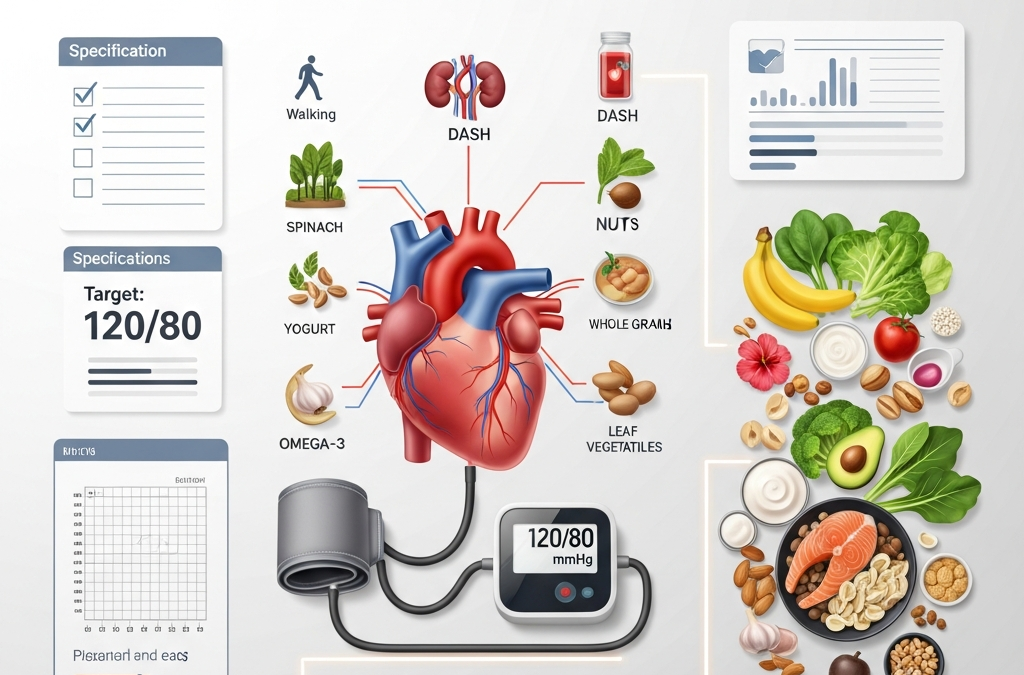
Maintaining optimal blood pressure is pivotal for achieving long-term cardiovascular wellness. Natural blood pressure management involves integrating diet, lifestyle, and mindfulness—offering a powerful pathway to health. By focusing on holistic strategies, you can take command of your heart health naturally.
Key Takeaways
- Holistic Approach: Integrates diet, lifestyle, stress reduction, and mindfulness for well-being.
- Dietary Cornerstone: A balanced diet focusing on sodium and potassium is crucial.
- Active Lifestyle: Regular physical activity significantly contributes to cardiovascular fitness.
- Stress and Sleep: Effective stress management and quality sleep regulate blood pressure.
- Monitoring is Key: Home monitoring empowers individuals to track progress.
- Professional Guidance: Natural methods complement medical advice, especially if on medication.
- Long-Term Commitment: Sustainable control is achieved through consistent, long-term habits.
The Holistic Path to Optimizing Blood Pressure
Understanding Blood Pressure and Its Natural Regulation
Blood pressure is a vital sign of cardiovascular health, measured in systolic and diastolic readings, indicating how blood circulates through arteries. It’s essential to understand these numbers: systolic pressure, the force of blood in vessels when the heart beats, and diastolic pressure, the pressure between beats.
What is Blood Pressure?
The systolic and diastolic pressures are critical measures indicating cardiovascular strength. Systolic pressure measures the force of blood against artery walls when the heart beats, while diastolic is the pressure between beats. Normal readings are around 120/80 mmHg, reflecting healthy vessel flexibility and heart efficiency.
The Body’s Intrinsic Regulatory Systems
Our body uses the nervous system, hormones like the renin-angiotensin-aldosterone system, and kidney function to regulate blood pressure. These elements work harmoniously to control vascular resistance and fluid balance. A disruption in these systems can lead to hypertension, where chronic high pressure burdens the heart and arteries.
When Does Blood Pressure Become a Concern?
Hypertension is diagnosed when readings consistently surpass 130/80 mmHg. Stage 1 hypertension ranges from 130-139 systolic or 80-89 diastolic, posing increased risks for stroke and heart attacks over time. Identifying elevated levels early can prevent complications.
Dietary Foundations for Healthy Blood Pressure
Nutrition plays a pivotal role in managing blood pressure naturally, with specific dietary patterns and nutrients lowering pressure levels.
The DASH Diet Principles
The Dietary Approaches to Stop Hypertension (DASH) plan involves a rich intake of fruits, vegetables, and low-fat dairy, complemented by whole grains and lean proteins. Emphasizing reduction of saturated fats and cholesterol, DASH has proven benefits in lowering blood pressure.
Sodium’s Role and Reduction Strategies
Excessive sodium increases water retention, elevating blood pressure. Reducing intake through label reading and opting for fresh ingredients over processed foods can profoundly impact pressure levels. Choose options like herbs for flavoring over salt.
Potassium, Magnesium, and Calcium-Rich Foods
These electrolytes play crucial roles in maintaining vascular health. Incorporate the following:
| Nutrient | Key Benefits | Excellent Food Sources |
|---|---|---|
| Potassium | Relaxes blood vessel walls | Bananas, sweet potatoes, spinach |
| Magnesium | Supports nerve and muscle function | Almonds, spinach, avocados |
| Calcium | Supports vascular contraction and dilation | Dairy, leafy greens |
Importance of Omega-3 Fatty Acids
Omega-3s, found in fatty fish and flaxseed, reduce inflammation and protect heart health. Include these in your diet to support overall cardiovascular wellness.
Foods to Limit or Avoid
- Processed foods high in sodium
- Excessive saturated and trans fats
- Added sugars and refined carbohydrates
Lifestyle Interventions: Beyond Diet
Beyond nutrition, lifestyle changes play a crucial role in naturally regulating blood pressure. Explore exercise, stress management, and other daily practices to enhance health.
The Power of Regular Physical Activity
Engaging in regular exercise, whether aerobic or strength training, enhances cardiovascular strength. Aiming for 150 minutes of moderate activity weekly can significantly lower blood pressure and boost heart health.
Stress Management Techniques
Manage stress effectively through mindfulness meditation, deep breathing, and progressive muscle relaxation. Spending time in nature can further enhance relaxation and lower blood pressure.
Prioritizing Quality Sleep
Insufficient sleep disrupts hormone regulation and blood pressure. Improve sleep hygiene by maintaining a regular schedule, minimizing screen time before bed, and creating a restful environment.
Maintaining a Healthy Weight
Weight loss through balanced nutrition and regular exercise can profoundly reduce blood pressure. Even modest reductions in weight can lead to significant health improvements.
Limiting Alcohol and Avoiding Smoking
Minimize alcohol intake and eliminate smoking to reduce cardiovascular risks. Seek professional support, if needed, to address addiction and achieve a healthier lifestyle.
Herbal Remedies and Supplements: A Complementary Approach
Natural compounds, when used wisely, can complement traditional blood pressure interventions. It’s essential to proceed with caution and consult healthcare providers.
Evidence-Based Herbal Supports
Herbs like hibiscus and garlic show potential in lowering blood pressure. Studies suggest hibiscus tea can reduce pressure levels, while garlic supplements may support arterial health.
Key Nutritional Supplements
CoQ10, L-arginine, and fish oil have shown benefits in blood pressure management. Always consult a healthcare provider to determine appropriate dosages.
Important Considerations and Cautions
Before integrating supplements, ensure they don’t interfere with current medications. Consult professionals to navigate safe incorporation into your regimen.
Monitoring Your Blood Pressure Naturally
Regular monitoring empowers individuals to understand and control their blood pressure effectively.
Home Monitoring Best Practices
Use a validated device for consistent monitoring. Measure at the same time daily, seated calmly, ensuring accuracy in readings.
Interpreting Your Readings
Understand your numbers to identify trends, recognizing when readings are normal or elevated.
When to Consult a Healthcare Professional
Seek guidance for consistently high readings—professional advice is crucial for contextual diagnosis and management.
Integrating Mind-Body Practices
Fostering a connection between mental well-being and physical health enhances blood pressure management.
Yoga and Meditation for Relaxation
Practices like yoga and meditation stimulate relaxation, activating the parasympathetic nervous system and reducing stress hormones.
Deep Breathing Exercises
Techniques such as diaphragmatic breathing have immediate calming effects, effectively lowering blood pressure.
Biofeedback Techniques
Biofeedback allows conscious control over bodily functions, promoting awareness and regulation of blood pressure.
The Gut Microbiome and Blood Pressure
Emerging research connects gut health to cardiovascular function, exploring new intervention avenues.
How Gut Health Influences Cardiovascular Health
The gut-heart axis shows microbial imbalance can affect blood pressure regulation through inflammation and gut integrity.
Probiotic-Rich Foods and Supplements
Incorporating fermented foods like yogurt and kimchi supports a healthy microbiome, beneficial for pressure control.
Environmental Factors and Blood Pressure
Our surroundings significantly influence blood pressure, and modifying our environment can mitigate negative impacts.
Impact of Air Quality and Noise Pollution
Exposure to pollution and chronic noise increases cardiovascular risk. Using air purifiers and soundproofing can reduce exposure.
Importance of Green Spaces
Spending time in nature reduces stress and blood pressure. Regular visits to parks or gardens can have measurable health benefits.
Debunking Common Myths About Natural Blood Pressure Control
Clarifying misconceptions helps set realistic expectations for natural blood pressure management.
Myth 1: Only Medications Work
Natural methods have strong evidence as effective primary or complementary treatments.
Myth 2: High Blood Pressure Always Has Symptoms
Hypertension is often symptomless, reinforcing the need for regular screenings.
Myth 3: Natural Methods Are a Quick Fix
Consistent effort and patience are key to sustainable natural blood pressure control, not quick fixes.
Creating a Personalized Natural Blood Pressure Plan
Developing a strategy tailored to your unique needs is crucial for effective blood pressure regulation.
Assessing Individual Needs
Evaluate your health status and risk factors to customize a comprehensive management plan.
Setting Realistic Goals
Establish measurable objectives for diet, exercise, and stress reduction to track progress.
Tracking Progress and Adjusting Strategies
Use tools like health journals or apps to monitor progress and make necessary adjustments.
Long-Term Sustainability and Commitment
Building lasting habits fosters lifelong blood pressure management, emphasizing the importance of consistency.
Building Lasting Healthy Habits
Integrate natural practices into daily routines to support continuous blood pressure control.
The Role of Support Systems
Family and community support provide encouragement and accountability, enhancing success in health initiatives.
Regular Health Check-ups
Ongoing evaluations ensure comprehensive health monitoring and necessary treatment adjustments.
Success Stories and Testimonials (Conceptual)
Real-world successes inspire and demonstrate the effectiveness of natural approaches in blood pressure management.
Real-world examples of natural blood pressure control
Individuals have successfully reduced blood pressure through consistent natural methods, highlighting manageable changes.
Inspiring journeys to better health
Diverse paths to cardiovascular wellness illustrate the transformative potential of holistic strategies.
Resources and Further Reading
Explore reputable sources for more information on natural blood pressure management.
Reputable Health Organizations
American Heart Association, Mayo Clinic offer reliable health information and guidance.
Scientific Studies and Publications
Access peer-reviewed research through academic databases for informed strategies.
Recommended Books and Guides
Explore holistic health books and guides for comprehensive blood pressure management insights.
FAQ: Frequently Asked Questions About Natural Blood Pressure Management
Can I stop my medication if I follow natural methods?
Concise Answer: No. Never stop prescribed medication without guidance from your doctor. Natural methods complement treatment and may allow adjustments over time with supervision.
How long does it take to see results?
Concise Answer: Results vary; improvements may occur within weeks to months. Sustainable reductions require long-term commitment.
Are there any risks to natural approaches?
Concise Answer: Generally safe, but some supplements may interact with medications. Consult professionals before starting new treatments.
What is the ideal blood pressure range?
Concise Answer: An ideal range is below 120/80 mmHg. Elevated readings start at 120-129 systolic and under 80 diastolic.
Can natural methods reverse severe hypertension?
Concise Answer: Severe hypertension requires medical intervention; natural methods support treatment, aiding control.
Is salt always bad for blood pressure?
Concise Answer: Not all salt is harmful; individual sensitivity varies. Reducing processed food intake is crucial.
Conclusion
Achieving natural blood pressure control is attainable through commitment and comprehensive approaches. Embrace lifestyle and dietary changes to enhance cardiovascular health under healthcare guidance. This journey enhances overall well-being and fosters a vibrant, healthy life.