
Is it Bad to Eat Unripe Avocado?
Key Takeaways
- Generally Safe, But Not Recommended: Eating unripe avocado is not typically toxic to humans, but it’s highly unpalatable and can cause digestive discomfort.
- Poor Taste & Texture: Unripe avocados are bitter, hard, chalky, and lack the creamy texture and rich flavor of ripe ones.
- Digestive Upset: The higher tannin content, potential enzyme inhibitors, and different fiber structure in unripe avocados can lead to bloating, gas, and stomach upset.
- Reduced Nutritional Value: While nutrients are present, their bioavailability might be lower, and the desirable healthy fats are not fully developed.
- Best Practice: Always allow avocados to ripen fully at room temperature for optimal taste, texture, and nutritional benefits.
Introduction
Avocados, revered for their creamy texture, rich flavor, and nutritional bounty, have become a staple in kitchens worldwide. From guacamole to salads, their versatility is undeniable. However, the experience of biting into an unripe avocado is often met with disappointment, characterized by a hard, bitter, and unyielding flesh. While commonly understood that waiting for optimal ripeness is key for enjoyment, a crucial question often arises: Is it actually bad for you to consume an unripe avocado? This comprehensive guide delves into the scientific, nutritional, and practical implications of eating avocados before they’ve reached their peak, exploring everything from their changing chemical composition to potential digestive woes and best ripening practices.
Understanding the Implications of Consuming Unripe Avocados
The Chemical Composition of Unripe Avocados
The journey from a hard, green fruit to a soft, buttery delight involves significant biochemical transformations. These changes directly impact how we perceive and digest the avocado.
- Higher Tannin Content
- Astringency Explained: Unripe avocados contain higher concentrations of tannins, natural plant compounds also found in tea and red wine. Tannins are responsible for the unpleasant, dry, and bitter sensation in the mouth, often described as astringent.
- Impact on Palatability: This bitterness makes unripe avocado highly unappealing, contrasting sharply with the nutty, buttery flavor of its ripe counterpart. The tannins bind with proteins in saliva, leading to the characteristic drying and puckering sensation.
- Presence of Enzyme Inhibitors
- Protease Inhibitors: Some studies suggest that unripe fruits, including avocados, may contain higher levels of certain enzyme inhibitors. These compounds can interfere with digestive enzymes (like proteases), potentially hindering the breakdown and absorption of proteins in the digestive tract.
- Potential for Reduced Nutrient Absorption: While the effect in humans from consuming small amounts is likely minimal, consistently high intake could theoretically impact nutrient utilization.
- Lower Fat and Oil Content
- Developing Healthy Fats: A key characteristic of avocado ripening is the conversion of carbohydrates into healthy monounsaturated fatty acids (primarily oleic acid). Unripe avocados have a significantly lower fat content compared to their ripe stage.
- Impact on Texture and Nutritional Density: This lower fat content contributes to the hard, waxy texture and means the unripe fruit lacks the full caloric density and beneficial lipid profile associated with ripe avocados.
Nutritional Value: A Comparison
The nutritional profile of an avocado evolves dramatically as it ripens, influencing its health benefits and overall dietary contribution.
- Macronutrient Profile Changes During Ripening
- Fat Development: As avocados ripen, their fat content can increase from around 3-5% to 15-20% of their total weight, primarily healthy monounsaturated fats. This is a crucial aspect of their nutritional value.
- Carbohydrate Conversion: Simultaneously, complex carbohydrates and starch present in unripe avocados are converted into simpler sugars and fats, which contributes to the fruit’s softening and flavor development.
- Vitamin and Mineral Bioavailability
- Enhanced Absorption: While many vitamins and minerals (like potassium, Vitamin K, Vitamin E, Vitamin C, and B-vitamins) are present in avocados at all stages, the ripening process can enhance the bioavailability of certain nutrients. For instance, the increased fat content in ripe avocados aids in the absorption of fat-soluble vitamins.
- Antioxidant Activity: Some research indicates that the overall antioxidant capacity may peak at optimal ripeness, offering maximum protective benefits.
- Table: Ripe vs. Unripe Avocado Nutritional Snapshot (Conceptual Differences)
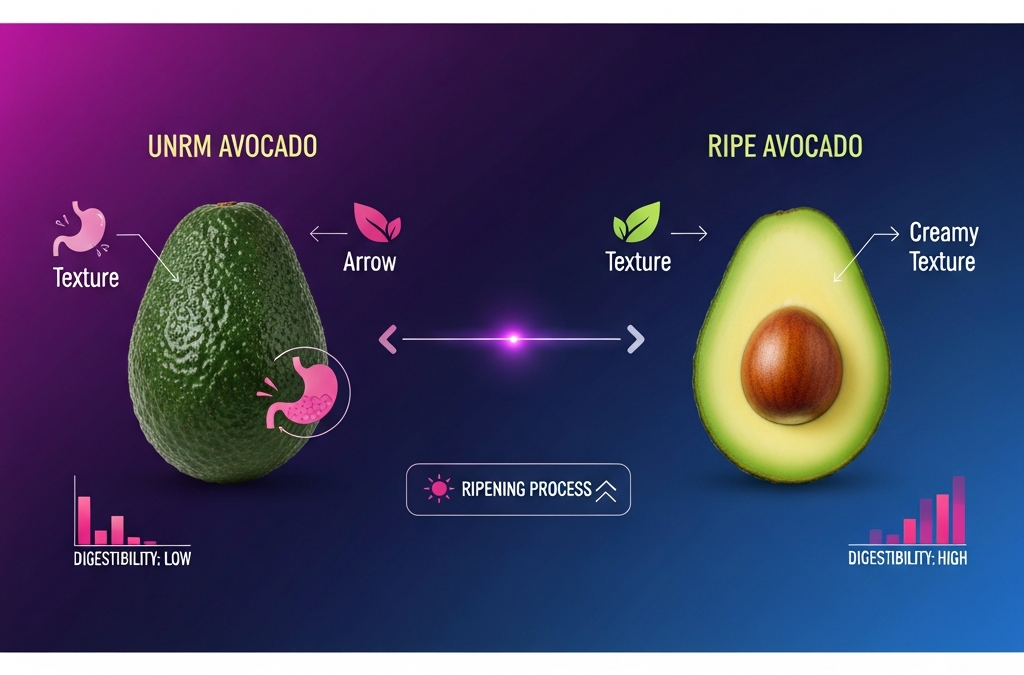
Feature Unripe Avocado Ripe Avocado Texture Hard, firm, rubbery, difficult to cut Soft, creamy, buttery, easily mashable Flavor Bitter, astringent, bland Rich, nutty, creamy, earthy Fat Content Lower (higher carbohydrates/starch) Higher (rich in monounsaturated fats) Tannins Higher concentration Significantly lower Digestibility Potentially harder to digest (enzyme inhibitors) Easier to digest Nutrient Density Lower overall fat-soluble nutrient delivery Higher overall fat-soluble nutrient delivery
Digestive Discomfort and Potential Side Effects
Beyond the unpleasant taste, consuming unripe avocado can lead to a range of gastrointestinal issues.
- Gastrointestinal Upset
- Causes: The combination of high fiber (which can be tougher to break down when unripe), higher tannin levels, and potential enzyme inhibitors can irritate the digestive system.
- Symptoms: Common symptoms include bloating, excessive gas, stomach cramps, and in some individuals, diarrhea or constipation.
- Allergic Reactions (Rare but possible)
- General Avocado Allergy: While not exclusive to unripe fruit, some individuals have a general allergy to avocados. Symptoms can range from oral itching and swelling to hives and digestive issues.
- Latex-Fruit Syndrome: Avocados are known to cross-react with latex in individuals with latex allergies, regardless of ripeness. Eating unripe avocado might theoretically trigger a more acute response in highly sensitive individuals, though no specific data links ripeness to severity.
- The Role of Persin (For pets vs. humans)
- Generally Safe for Humans: Avocado fruit contains a fungicidal toxin called persin. While persin is known to be toxic to many animals (e.g., birds, horses, goats) causing respiratory distress, heart failure, or death, it is generally considered harmless to humans in the concentrations found in the fruit flesh.
- Myth Dispelled: Concerns about persin in unripe avocado causing harm to humans are largely unfounded. The primary issue for humans is taste and digestive discomfort, not acute toxicity from persin.
Palatability and Culinary Experience
The joy of eating an avocado lies in its unique taste and texture, qualities entirely absent in its unripe state.
- Unpleasant Taste and Texture
- Bitterness and Astringency: As previously mentioned, high tannin levels result in a distinctly bitter and astringent flavor that is far from appetizing.
- Chalkiness and Rubberiness: The flesh of an unripe avocado is dense, hard, and often described as chalky or rubbery. It lacks the smooth, creamy consistency desired for most avocado dishes.
- Difficulty Cutting and Mashing: The firmness makes it challenging to slice cleanly, and nearly impossible to mash into a smooth paste for guacamole.
- Impact on Recipes
- Ruining Dishes: Incorporating unripe avocado into recipes like guacamole, toast, or salads will fundamentally alter and likely ruin the dish’s intended flavor and texture profile.
- Lack of Creamy Texture: The absence of healthy fats means it won’t contribute the desired creaminess to smoothies or sauces.
The Ripening Process Explained
Understanding how avocados ripen allows for better management and enjoyment of the fruit.
- Ethylene Gas and Its Role
- Natural Ripening Agent: Avocados are climacteric fruits, meaning they continue to ripen after being picked. This process is primarily driven by the production of ethylene gas, a natural plant hormone.
- Triggering Transformation: Ethylene gas stimulates the breakdown of pectin (which softens the cell walls), the conversion of starch to sugars and fats, and the development of characteristic flavors and aromas.
- Optimal Storage Conditions for Ripening
- Room Temperature and Dark Place: To ripen avocados, store them at room temperature (around 65-70°F or 18-21°C) away from direct sunlight. A fruit bowl on the counter is ideal.
- Using Other Fruits to Speed Up: Placing unripe avocados in a paper bag with ripe bananas or apples can accelerate ripening. These fruits also produce ethylene gas, which gets trapped in the bag, concentrating the ripening effect.
- Accelerating and Slowing Down Ripening
- Paper Bag Method: Enclosing avocados in a paper bag helps trap ethylene gas, speeding up the process. Do not use plastic bags, as they trap moisture and can lead to mold.
- Sunlight Exposure (to avoid): While heat can soften avocados, direct strong sunlight can cause uneven ripening and spoilage rather than proper maturation.
- Refrigeration for Ripe Avocados: Once ripe, avocados can be stored in the refrigerator for 2-3 days to slow down further ripening and extend their shelf life.
The Environmental and Economic Impact of Wasting Unripe Avocados
Beyond personal health and enjoyment, discarding unripe avocados contributes to broader issues.
- Food Waste Implications
- Resource Consumption: The cultivation of avocados requires significant resources, including water, land, and energy. Wasting unripe avocados means these resources have been expended for no nutritional or culinary gain.
- Environmental Burden: Food waste contributes to landfill emissions (methane) and global environmental concerns. Proper ripening and consumption reduce this footprint.
- Economic Costs for Consumers
- Financial Loss: Discarding an expensive fruit like an avocado due to unripeness represents a direct financial loss for the consumer. Learning proper ripening techniques saves money.
Conclusion
While the curiosity to consume an avocado immediately after purchase is understandable, patience is indeed a virtue when it comes to this beloved fruit. Eating an unripe avocado is largely a harmless but unpleasant experience, characterized by bitterness, a hard texture, and potential digestive discomfort. It also means missing out on the full spectrum of creamy texture, rich flavor, and optimal nutritional benefits that a perfectly ripe avocado offers. By understanding the ripening process and employing simple techniques, you can ensure that every avocado you enjoy is at its peak, providing both culinary delight and maximum health advantages. So, resist the urge to cut into that firm green fruit too early; give it time, and you’ll be rewarded with nature’s creamy perfection.