
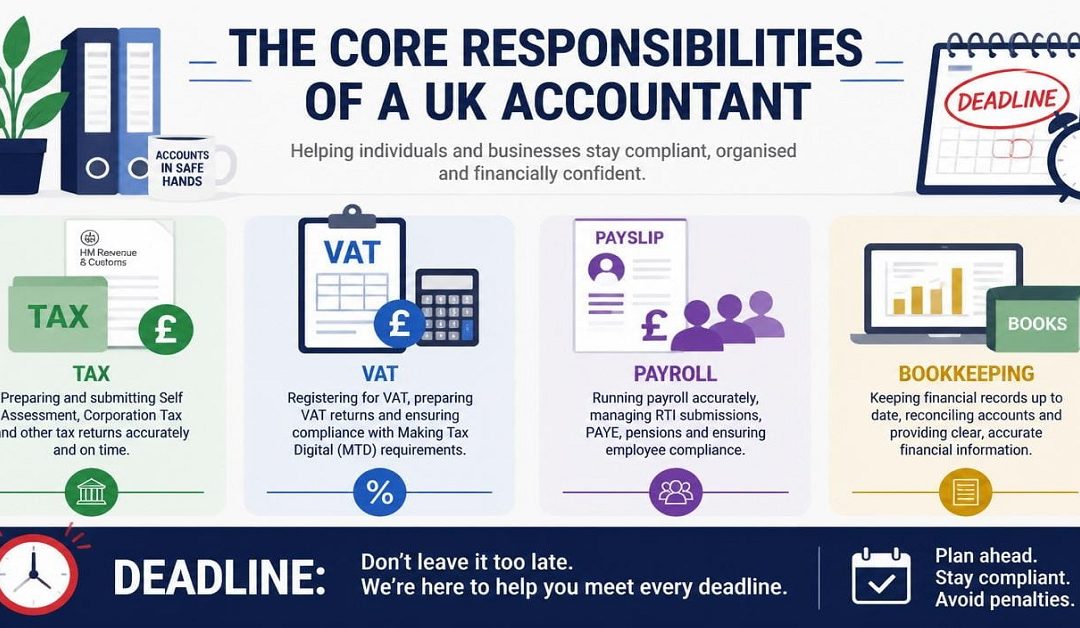
Accountant for Small Business Cost: Essential UK Guide 2026
The average accountant for small business cost in the UK typically ranges from £50 to £250+ per month, depending on your business size, complexity, and service needs. For limited companies, the average annual fee is between £750 and £2,500. Sole traders and freelancers can expect to pay from £150 to £600 per year for tax returns and advice. Always check if fees are fixed or hourly, and ask for a breakdown to ensure value for money.This guide covers ongoing accounting costs — bookkeeping, VAT, payroll and monthly retainers. If you only need to know the cost of preparing and filing a single tax return, see our tax return fees guide.
Curious about how much an accountant costs for your small business in the UK?
Accountancy fees can vary widely depending on your business type, location, and service needs.
In this guide, we reveal average UK accountant charges for 2025/26 and 2026/27, with real examples and expert advice.
Whether you’re a sole trader, limited company, landlord, or contractor, this article will help you budget for the right accountancy support.
Why Trust This Guide
- Reviewed by ICAEW-qualified accountants at Eternity Accountants
- Updated June 2026
- Based on current HMRC and FCA guidance
- Written for UK small businesses, sole traders and landlords
- Eternity Accountants is ICAEW-regulated and AAT-accredited
Key Takeaways
- UK accountant fees for small businesses range from £50 to £250+ per month.
- Limited companies pay £750–£2,500 per year on average.
- Sole traders and landlords pay £150–£600+ for annual accounts and tax returns.
- Professional accountants help avoid HMRC penalties and maximise tax savings.
- Always verify your accountant’s credentials with ICAEW, ACCA, or AAT.
Accountant fees for small businesses in the UK vary from as little as £20/month for basic bookkeeping to £250+/month for comprehensive packages. Most limited companies pay £750–£2,500 per year, while sole traders and landlords can expect annual fees between £150 and £600. Always compare fixed fees, experience, and service levels.
In Short
- Small business accountant fees start from £20–£250+ per month.
- Annual tax return fees: £150–£600+ (sole trader/landlord), £200–£800+ (company director).
- Professional help reduces risk of HMRC penalties.
- Check for fixed fees and transparent pricing.
Need help finding the right accountant? Book a free consultation with Eternity Accountants today. Call 0116 4030595 or email info@eternityaccountants.co.uk
How Much Does an Accountant Cost for a Small Business in the UK?
Most UK small businesses pay between £50 and £250 per month for an accountant, depending on business complexity and services needed. Limited companies usually pay more than sole traders. Always check if the fee is fixed or hourly and request a clear breakdown.
Average Monthly and Annual Fees
The average accountant for small business cost in the UK varies according to business type:
- Sole trader: £150–£600 per year
- Limited company: £750–£2,500 per year
- Freelancer/contractor: £25–£80+ per month
- Landlord: £150–£600+ per year
These figures reflect typical small business accounting fees UK for 2025/26 and 2026/27.
| Business Type | Annual Fee Range | Monthly Equivalent |
|---|---|---|
| Sole Trader | £150 – £600 | £13 – £50 |
| Limited Company | £750 – £2,500 | £63 – £208 |
| Freelancer | £300 – £800 | £25 – £67 |
| Landlord | £150 – £600 | £13 – £50 |
What Is Usually Included in Accountant Fees?
Accountant fees can vary because service levels differ significantly between firms. A basic package may include annual accounts and tax returns only, while a comprehensive package could include:
- Bookkeeping
- VAT returns
- Payroll processing
- Corporation Tax filing
- Director Self Assessment
- Companies House filings
- Tax planning meetings
- HMRC correspondence
Always request a written breakdown before comparing quotes.
Key Factors Affecting Accountant Costs
Several factors impact how much does an accountant charge UK businesses:
- Business type (sole trader, limited company, contractor, landlord)
- Turnover and transaction volume
- Services required (bookkeeping, payroll, VAT, advice)
- Location (London costs more than Leicester or East Midlands)
- Software used (Xero, QuickBooks, FreeAgent, Sage can lower costs)
Fixed Fee vs Hourly Rates
Most UK accountant hourly rates are £60–£150/hour, but many prefer fixed fee accountants UK for certainty. Always request an accountant price list and ask if routine queries are included. VAT may be added to fees if your accountant is VAT registered.
Monthly Subscription Accounting Packages
Many UK accountants now offer monthly subscription packages rather than annual billing. These packages often spread costs evenly throughout the year and may include unlimited support, software subscriptions, payroll, and tax returns.
This approach can improve cash flow and eliminate unexpected accounting bills.
Q: How much does an accountant charge UK small businesses?
A: Fees typically start from £20/month for basic services, up to £250+/month for full support.Q: What affects the cost of an accountant?
A: Business type, turnover, services needed, and complexity all impact accountant fees.Q: Are accountant fees tax deductible?
A: Yes, most accountant costs are allowable business expenses for tax purposes.
Small Business Accounting Fees UK: What to Expect in 2025/26 & 2026/27
Typical small business accounting fees UK for 2025/26 and 2026/27 range from £150–£600/year for sole traders and £750–£2,500/year for limited companies. Be clear on what’s included and always watch key HMRC deadlines to avoid costly penalties.
AI Snippet: Expect to pay £150–£600 for sole trader annual accounts, and £750–£2,500 for limited companies. Clarify what’s included and watch deadlines to avoid HMRC penalties.
2025/26 and 2026/27 Fee Ranges
|
Business Structure |
Typical Annual Fee |
|
Sole Trader |
£150–£600 |
|
Partnership |
£350–£900 |
|
Limited Company |
£750–£2,500 |
|
Company Director Self Assessment |
£200–£800 |
Service Inclusions and Exclusions
Standard packages often include:
- Annual accounts and tax returns (Self Assessment, Corporation Tax)
- Bookkeeping (monthly/quarterly)
- Payroll and pensions
- VAT Returns (if VAT registered)
- Basic business advice
Extras may include: business plans, HMRC investigation insurance, or bespoke tax planning.
HMRC Deadlines and Penalties
For 2024/25, paper returns are due 31 Oct 2025, online returns/payment 31 Jan 2026. For 2025/26: paper 31 Oct 2026, online/payment 31 Jan 2027. Miss these and face:
- £100 fixed penalty (immediate after deadline)
- £10/day up to £900 (after 3 months)
- 5% of tax due or £300 (after 6 and 12 months)
HMRC Warning: Penalties for late Self Assessment or Corporation Tax returns can quickly escalate. Always check GOV.UK for up-to-date penalty rules.
Many accountants also provide HMRC enquiry support. Some firms include basic support within their standard fees, while others offer separate investigation insurance to help cover professional costs if HMRC opens an enquiry.
Q: What are typical accounting fees for small businesses in 2026?
A: Fees vary, but sole traders pay £150–£600 and limited companies £750–£2,500 per year.Q: What happens if I miss HMRC deadlines?
A: You may face a £100 fine, plus further daily and percentage penalties.Q: Are small business accounting fees negotiable?
A: Some firms offer package deals or discounts for upfront payment.
How Much Does an Accountant Cost for a Limited Company?
The average cost of accountant for ltd company in the UK is £750–£2,500 per year. This covers core services: year-end accounts, Corporation Tax, payroll and VAT. DIY is possible, but most directors benefit from professional support to avoid errors and penalties.
AI Snippet: Most UK limited companies pay between £750 and £2,500 per annum for accountancy services, including tax, payroll, and Companies House filings.
Average Fees for Limited Companies
Accountancy costs for SMEs and limited companies depend on size and service scope. Packages may include:
- Year-end accounts and Companies House filing
- Corporation Tax return (CT600)
- Quarterly VAT returns (if registered)
- Payroll (monthly or weekly)
- Bookkeeping and director Self Assessment
|
Service |
Fee Range (Annual) |
|
Year-end accounts & CT600 |
£500–£1,500 |
|
VAT Returns |
£200–£600 |
|
Payroll (up to 5 staff) |
£150–£400 |
|
Bookkeeping |
£200–£600 |
Corporation Tax, Payroll & VAT Costs
Corporation Tax rates for 2026:
- 19% small profits rate (profits under £50,000)
- 25% main rate (profits over £250,000)
VAT threshold: £90,000 (April 2024).
DIY vs Professional Comparison
|
Factor |
DIY |
Professional |
|
Cost |
£0–£250 |
£750–£2,500+ |
|
Time |
10–40+ hours/yr |
1–5 hours/yr |
|
Error Risk |
High |
Low |
|
Tax Planning |
Minimal |
Comprehensive |
Pro Tip: Professional accountants can save you more in tax than they cost. For many limited companies, the right advice pays for itself by maximising allowances and avoiding HMRC penalties.
External Authority: GOV.UK Limited company formation
Additional Costs Limited Companies Should Budget For
In addition to accountant fees, limited companies may incur:
- Companies House incorporation fees
- Confirmation Statement filing fees
- Registered office services
- Payroll software costs
- Accounting software subscriptions
These costs should be considered alongside annual accountant fees.
Quick Answers
Q: What is the typical cost for a limited company accountant?
A: Around £750–£2,500 per year, depending on needs and complexity.Q: Does this include Corporation Tax and VAT?
A: Often, yes, but always check your package details.Q: Can I do my own company accounts?
A: Possible, but professional help reduces HMRC and Companies House errors.
Freelancer, Contractor, Landlord & Self-Employed Accountant Fees
Freelance accountant rates UK start at £25/month. Self employed accountant fees UK and landlord accountant costs UK range from £150–£600/year. Contractor accountant fees UK are typically £70–£150/month, especially with IR35 advice. Tax return accountant cost UK is £100–£350 per return.
AI Snippet: Freelancer and contractor accountant rates start at £25/month. Self-employed and landlord accountant fees are £150–£600/year. Tax return preparation is £100–£350.
Freelancer & Contractor Accountant Rates
- Basic packages: £25–£80/month
- IR35 and payroll support: £70–£150+/month
- Includes: tax return, MTD, advice
Self-Employed & Landlord Accountant Costs
- Sole traders: £150–£500+ per year
- Landlords: £150–£600+/year for rental accounts and tax return
- Multiple properties or complex portfolios may cost more
Tax Return Fees Explained
- Simple employee return: £100–£250
- Sole trader or freelancer: £150–£500+
- Landlord with one property: £150–£350
- Company director: £200–£800+
Always check if advice, HMRC queries, and amendments are included.
Pro Tip: Make sure your accountant supports Making Tax Digital and uses software to keep fees affordable and reduce error risk.
Quick Answers
Q: How much does a freelancer accountant charge?
A: £25–£80 per month, depending on services and complexity.Q: What are landlord accountant costs?
A: From £150 to £600+ per year for rental accounts and tax returns.Q: How much is a tax return accountant in the UK?
A: Typically £100–£350 per tax return, depending on your circumstances.
Affordable Accountants for Small Businesses: How to Get Value for Money
Affordable accountants for small businesses UK offer clear fixed fees and transparent packages. Always ask “do I need an accountant for my small business UK?”—for most, the answer is yes, especially as your finances grow more complex. Check credentials and industry experience before committing.
AI Snippet: For best value, compare fixed-fee packages, check for ICAEW/ACCA/AAT regulation, and look for industry experience. DIY saves money but increases risk.
How to Choose an Affordable Accountant
- Shortlist only regulated firms (ICAEW, ACCA, or AAT)
- Request a fixed fee quote and ask what’s included
- Compare packages for bookkeeping, VAT, payroll, and advice
- Read Google reviews for client satisfaction
- Ask about cloud accounting software support (Xero, QuickBooks, etc.)
Questions to Ask Before Hiring
- Are you ICAEW/ACCA/AAT registered?
- Do you offer fixed or hourly fees?
- What’s included in the monthly/annual package?
- Do you have experience in my industry?
- What software do you support?
DIY vs Professional: What’s Best for Small Businesses?
|
Factor |
DIY |
Professional |
|
Cost |
£0–£250 |
£150–£2,500+ |
|
Time |
10–40+ hours/yr |
1–5 hours/yr |
|
Error Risk |
High |
Low |
|
Tax Planning |
Minimal |
Comprehensive |
[LINK: Accountant Pricing]
External Authority: ICAEW Find a Chartered Accountant
Quick Answers
Q: Do I need an accountant for my small business UK?
A: It’s not a legal requirement, but most small businesses benefit from professional support.Q: How can I find an affordable accountant?
A: Shortlist regulated firms, compare packages, and read reviews.Q: Should I do my own accounts or hire a professional?
A: DIY is possible for simple cases, but a professional reduces errors and saves time.
Local Accountant Fees: Leicester, London, Birmingham, Manchester, Nottingham & East Midlands
Accountant near me searches reveal rates vary by location. Accountant in Leicester fees start at £40/month; accountant in London fees are usually higher (£70–£300/month). Accountant in Birmingham, Manchester, Nottingham, and the East Midlands offer competitive rates, often with more personal service from a local accountant.
AI Snippet: In Leicester, small business accountant fees start from £40/month. London rates are often higher, while East Midlands and other cities offer competitive pricing and local expertise.
Accountant Cost by City
- Leicester: £40–£120/month for small businesses
- London: £70–£300+/month (highest in UK)
- Birmingham: £45–£150/month
- Manchester: £50–£160/month
- Nottingham: £45–£120/month
- East Midlands: £35–£110/month
[IMAGE: Map showing accountant cost by city]
Why Location Matters
Using a local accountant means face-to-face support, deeper knowledge of your market, and easier document handover. However, many online and national firms now offer fixed fees and UK-wide expertise.
How to Find a Local Accountant
- Google “chartered accountant near me” or “accountant in Leicester”
- Check ICAEW/ACCA/AAT registers for regulation
- Read Google reviews for recent client experiences
- Ask about remote and in-person meeting options
Eternity Accountants serves Leicester and the East Midlands: 6 Egginton Street, Leicester, LE5 5BA | 0116 4030595
Check Google Reviews Before Hiring an Accountant
Review quality, response rate, and recent feedback are key when choosing a local accountant UK. Look for consistent 5-star ratings, prompt replies, and testimonials mentioning your business type.
[LINK: Accountant Pricing]
External Authority: AAT Find an Accountant
Q: What are accountant fees in Leicester?
A: From £40/month for small businesses, depending on service and experience.Q: Is it better to use a local accountant?
A: Local accountants offer in-person support, but online firms can be cost effective.Q: How do I check if an accountant is regulated?
A: Search on ICAEW, ACCA, or AAT registers.
Accountancy Fees by Industry and Software: Tailored Costs for Your Business
Accountancy costs for SMEs vary by industry and software used. Contractors, ecommerce, construction, and healthcare all face different fee structures. Using digital tools like Xero, QuickBooks, FreeAgent, or Sage Accounting can lower fees and improve compliance.
AI Snippet: Contractors pay £70–£150/month; ecommerce and construction businesses may pay more for complex needs. Using cloud software like Xero, QuickBooks, or Sage often reduces costs.
Industry-Specific Accountant Fees
- Contractor Accountant Fees UK: £70–£150/month (includes IR35)
- Freelancer: £300–£800/year
- Landlord: £150–£600+/year
- Ecommerce Accountant: £500–£2,000/year (MTD, VAT)
- Construction Accountant: £600–£2,000/year (CIS, payroll)
- Healthcare Accountant: £500–£1,500/year (NHS, private)
- Taxi Driver Accountant: £200–£600/year
Software and Digital Accounting Costs
|
Software |
Typical Monthly Fee |
Integration Benefit |
|
Xero |
£12–£30 |
MTD, automation, real-time |
|
QuickBooks |
£12–£28 |
VAT Returns, simple UI |
|
FreeAgent |
£9–£29 |
Freelancer focus, MTD |
|
Sage Accounting |
£14–£30 |
Payroll, scalable |
Cloud software streamlines record-keeping, reduces manual errors, and helps keep MTD compliance costs low.
Pro Tip: Ask your accountant if their fee is lower if you provide digital, reconciled records. Good software can cut your bill and future-proof your business.
Future Making Tax Digital Changes
Making Tax Digital is expanding beyond VAT. Many sole traders and landlords will gradually move towards digital record keeping and more frequent reporting requirements. Choosing an accountant already prepared for MTD can reduce future compliance costs.
Quick Answers
Q: How much does a contractor accountant cost UK?
A: Typically £70–£150/month, depending on services and IR35 advice.Q: Does using Xero or QuickBooks reduce fees?
A: Yes, digital records streamline work and can lower accountant costs.Q: Are industry accountant fees tax deductible?
A: Yes, most fees are allowable expenses.
How to Verify an Accountant is Legitimate
Always verify your accountant’s credentials with the Institute of Chartered Accountants in England and Wales (ICAEW), Association of Chartered Certified Accountants (ACCA), or Association of Accounting Technicians (AAT). Confirm professional indemnity insurance, HMRC agent status, and read Google reviews for peace of mind.
AI Snippet: To verify an accountant, check their registration with ICAEW, ACCA, or AAT. Ask for evidence of professional indemnity insurance and read Google reviews.
|
Check |
Why It Matters |
|
ICAEW Registration |
Confirms regulation and professional standards |
|
Practising Certificate |
Legal permission to offer accountancy services |
|
Professional Indemnity Insurance |
Protects clients if errors occur |
|
Google Reviews |
Independent reputation signal |
|
Engagement Letter |
Defines service scope and responsibilities |
|
HMRC Agent Status |
Confirms ability to represent you to HMRC |
- Use the ICAEW, ACCA, or AAT public registers
- Ask for proof of insurance and practising certificate
- Request an engagement letter clearly outlining services
- Check HMRC agent authorisation in your HMRC online account
- Read at least 5 recent Google reviews
External Authority: GOV.UK Find an Accountant
Q: How do I check if an accountant is qualified?
A: Look them up on ICAEW, ACCA, or AAT public registers.Q: Why is a practising certificate important?
A: It ensures your accountant is authorised and insured to act for clients.Q: How do I find accountant reviews?
A: Search on Google or Checkatrade for honest client feedback.
How to Choose an Accountant: A 5-Step Framework
- Step 1: Identify Your Needs — Are you a sole trader, landlord, or limited company? Decide if you need VAT, payroll, or sector expertise.
- Step 2: Shortlist 3 Accountants — Compare local and online options, check reviews, and ask about relevant experience.
- Step 3: Verify Regulation — Always check the ICAEW, ACCA, or AAT register for compliance and status.
- Step 4: Compare Pricing — Request a detailed fee quote. For small businesses, expect £50–£250/month; for limited companies, £750–£2,500/year.
- Step 5: Book a Consultation — Meet or call your shortlisted accountant to check rapport, clarity, and advice quality before signing up.
Finding an Accountant for Your Industry
Startup and New Business Accountant Costs
Startups often require company formation, HMRC registrations, payroll setup, VAT advice, and business structure planning. Startup accounting packages typically range from £30 to £150 per month depending on complexity and support requirements.
Contractor Accountant
As a contractor, you’ll need an accountant familiar with IR35, PAYE, and Making Tax Digital. Expect fees from £70–£150/month for full support.
What is IR35? IR35 is HMRC’s off-payroll working legislation. It determines whether a contractor is taxed as an employee or as a business.
Freelancer Accountant
If you’re a freelancer, choose an accountant who understands project-based income and digital records. Fees are usually £300–£800/year.
Landlord Accountant
For landlords, property income, mortgage interest restriction, and capital gains require specialist advice. Fees start at £150/year, rising with portfolio size.
Ecommerce Accountant
Ecommerce businesses face VAT, Making Tax Digital, and stock issues. Opt for an accountant who can automate sales data from platforms like Shopify or Amazon.
Construction Accountant
Construction clients need help with CIS, VAT, and payroll. Ensure your accountant understands CIS returns and the unique tax status for subcontractors.
Healthcare Accountant
Healthcare professionals (NHS and private) require advice on pension contributions, self-employment, and allowable expenses.
Taxi Driver Accountant
Taxi drivers benefit from accountants who know mileage claims and HMRC requirements for cash businesses.
Which Accounting Software Should Your Accountant Support?
Your accountant should be proficient in Xero, QuickBooks, FreeAgent, and Sage Accounting. This ensures digital, real-time records and Making Tax Digital compliance. Software lowers costs, reduces error risk, and enables easy collaboration.
What is Making Tax Digital? Making Tax Digital (MTD) is HMRC’s initiative requiring digital records and online tax submissions. Over 1.5 million UK businesses are now enrolled (source: HMRC).
Check your accountant’s status as a MTD-ready agent and ask for recommendations based on your business type.
A Good Accountant Should Ask You These Questions
- Are you VAT registered?
- Do you employ staff?
- Do you receive dividends?
- Do you own rental property?
- Do you expect income growth?
Signs It Is Time to Change Your Accountant
- Slow communication
- Filing errors
- Missed deadlines
- Lack of tax planning
- No MTD support
Online vs Local Accountant Comparison Table
|
Factor |
Online Accountant |
Local Accountant |
|
Cost |
Generally lower |
Generally higher |
|
Meetings |
Virtual only |
Face-to-face available |
|
Availability |
Flexible hours |
Office hours |
|
Nationwide Support |
Yes |
Limited area |
UK Accountancy in Numbers 2026
- Over 93,000 chartered accountants in the UK (ICAEW, ACCA, CIMA, AAT)
- 1.5 million+ businesses enrolled in Making Tax Digital (HMRC, 2026)
- 800,000+ HMRC late filing penalties issued in 2024/25 (HMRC)
- 62% of UK SMEs use an external accountant (ICAEW/ONS)
What Most Small Businesses Spend
Research consistently shows that many UK small businesses spend between 1% and 3% of annual turnover on financial administration, including bookkeeping, software, payroll, and accountancy services. Businesses with stronger financial controls often recover these costs through improved tax efficiency and reduced compliance risks.
Expert Commentary
According to our ICAEW-qualified team at Eternity Accountants:
Many small businesses underestimate the value of proactive tax planning and the risks of DIY accounts. A good accountant pays for themselves by avoiding penalties and maximising savings.
What our clients most frequently overlook:
- Not checking if accountant is regulated
- Assuming all fees are fixed
- Ignoring cloud accounting software benefits
Real-World Example
Client Type: Ecommerce Limited Company
Scenario: Client managed accounts via spreadsheets, missed VAT deadlines, and had poor record keeping.
Before: Paid £300/year for minimal support, faced £100+ HMRC penalties and compliance risks.
After: Moved to fixed-fee £1,200/year package with cloud software and MTD support.
Outcome: No more penalties, 20% corporation tax saving, and real-time insights.
Net saving: £1,100/year vs previous DIY approach.
Common Mistakes to Avoid
- Hiring an unregulated accountant: Non-chartered or uninsured accountants may make errors and leave you liable for HMRC issues. HMRC penalty: £100 late return fine, plus daily penalties and tax errors.
- Assuming all fees are fixed: Some accountants charge extra for queries, amendments, or advice.
- Missing deadlines: Penalties escalate quickly—£100 fixed, £900 daily, 5%/£300 at 6 and 12 months.
- Not checking MTD compliance: Failing to use digital software risks fines and extra admin.
- Ignoring Google reviews: Poor reputation is a red flag for service quality and reliability.
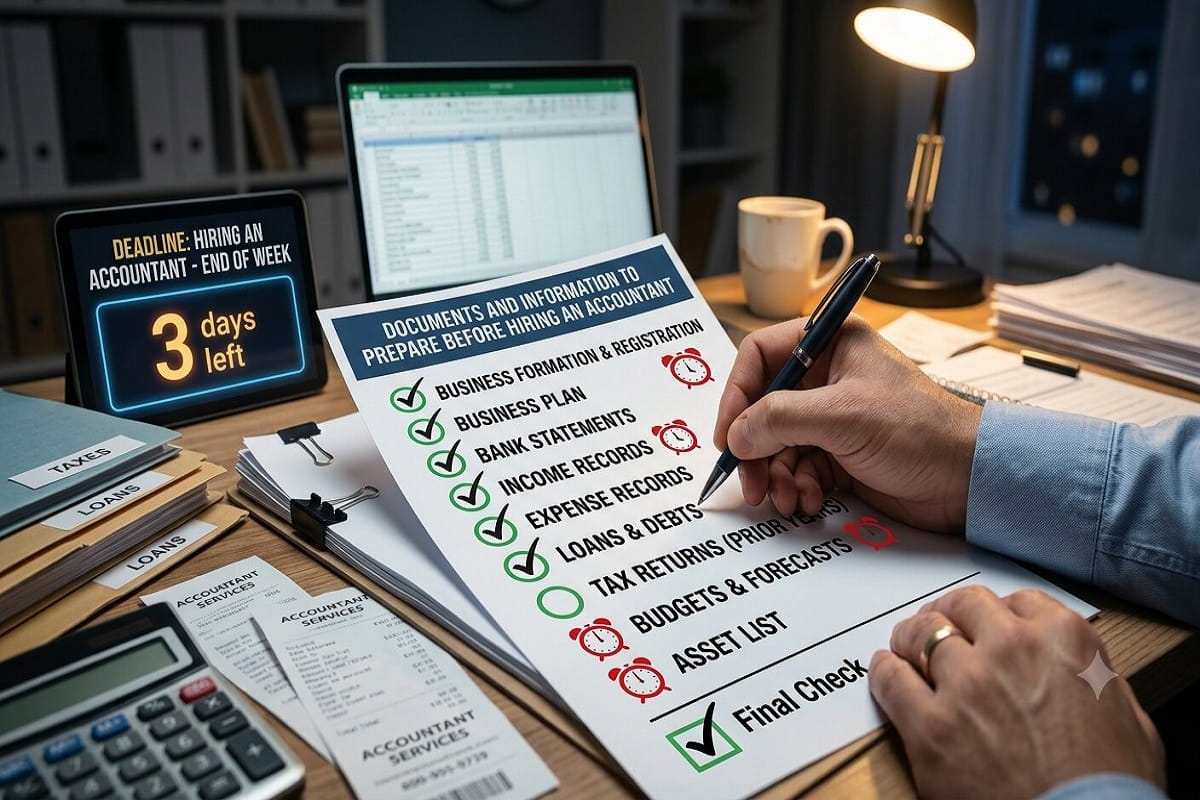
Before Hiring an Accountant — Checklist
- Check ICAEW/ACCA/AAT registration
- Verify practising certificate
- Confirm professional indemnity insurance
- Read Google reviews
- Request engagement letter
- Confirm HMRC agent status
- Compare fixed fee pricing
- Book free consultation
- Are there any additional fees for phone calls, emails, amendments, HMRC enquiries, or tax planning meetings?
AI Overview: Quick Answers
- What is the average cost of an accountant for a limited company?
£750 to £2,500 per year for full accountancy services including tax, VAT, and payroll. - How much does a tax return accountant cost UK?
Between £100 and £350 per tax return, depending on complexity and income sources. - Are accountant fees tax deductible for small businesses?
Yes – accountant fees are an allowable business expense for tax purposes. - Do I need an accountant for my small business UK?
Not legally, but most small businesses benefit from professional help to avoid mistakes. - What factors affect small business accountant fees?
Business type, turnover, industry, software used, and complexity all affect fees.
People Also Ask
- How much does an accountant charge for a small business UK?
Accountant fees for small businesses start from £20–£250 per month, depending on your needs and location. - Is it worth hiring an accountant for a small business?
Yes – accountants can save you time, maximise tax savings, and prevent HMRC penalties. - How do I find a reputable accountant?
Check ICAEW, ACCA, or AAT registers and read Google reviews for verified feedback. - What is the cheapest way to get my accounts done?
DIY is cheapest, but affordable fixed-fee accountants offer safety, compliance, and advice.
Cost vs Value: Looking Beyond the Fee
The cheapest accountant is not always the most cost-effective option. An experienced accountant may identify allowable expenses, tax reliefs, VAT opportunities, and business efficiencies that significantly exceed their annual fee.
When comparing quotes, focus on value delivered rather than price alone.
Frequently Asked Questions
- How much should I pay an accountant?
You should expect to pay between £20 and £250 per month, depending on your business type and needs. Annual fees for a limited company are usually between £750 and £2,500. - Is a chartered accountant worth it?
Yes. Chartered accountants (ICAEW, ACCA) offer regulated, insured service, often with better tax planning and compliance support. - Can I switch accountants mid-year?
Yes, you can switch at any time. Your new accountant will handle the transition and request records from your previous provider. - How do accountants save money on tax?
Accountants advise on allowable expenses, reliefs, and efficient structures to legally reduce your tax bill. - Should a sole trader use an accountant?
While not required, most sole traders benefit from expert advice, time savings, and avoiding costly mistakes. - Can an accountant deal with HMRC for me?
Yes, regulated accountants act as your HMRC agent, filing returns and handling correspondence on your behalf.
Why Choose Eternity Accountants?
- ICAEW regulated and AAT accredited
- Fixed monthly fees from £7.50/month
- Making Tax Digital compliant
- Dedicated accountant for your business
- UK-wide service with Leicester base
- Free initial consultation
- Serving sole traders, limited companies, landlords and freelancers
Book your free consultation at eternityaccountants.co.uk or call 0116 4030595
Accountant for small business cost in the UK ranges from £20 to £250+ per month, but the right accountant adds value far beyond the fee. Always check regulation, look for fixed fees, and ask about industry and software expertise. Ready for expert, affordable UK accountancy? Contact eternityaccountants.co.uk today for transparent pricing and peace of mind.
What Can Mistakes Cost?
Common DIY accounting mistakes include:
- Missing filing deadlines
- Underpaying tax
- Overpaying tax
- Incorrect VAT returns
- Payroll reporting errors
- Missing allowable expenses
The financial impact of these mistakes can often exceed the annual cost of professional accountancy support.
Reviewed By
ICAEW / AAT qualified — Eternity Accountants
Our team has supported 500+ UK businesses with Self Assessment, Corporation Tax, VAT, payroll, and Making Tax Digital compliance. Based in Leicester, East Midlands, serving clients UK-wide.
Eternity Accountants is ICAEW-regulated and AAT-accredited.
Last reviewed: June 2026
Phone: 0116 4030595 | Email: info@eternityaccountants.co.uk | eternityaccountants.co.uk
Sources: ICAEW Find an Accountant | ACCA | GOV.UK Find an Accountant | FCA Handbook