
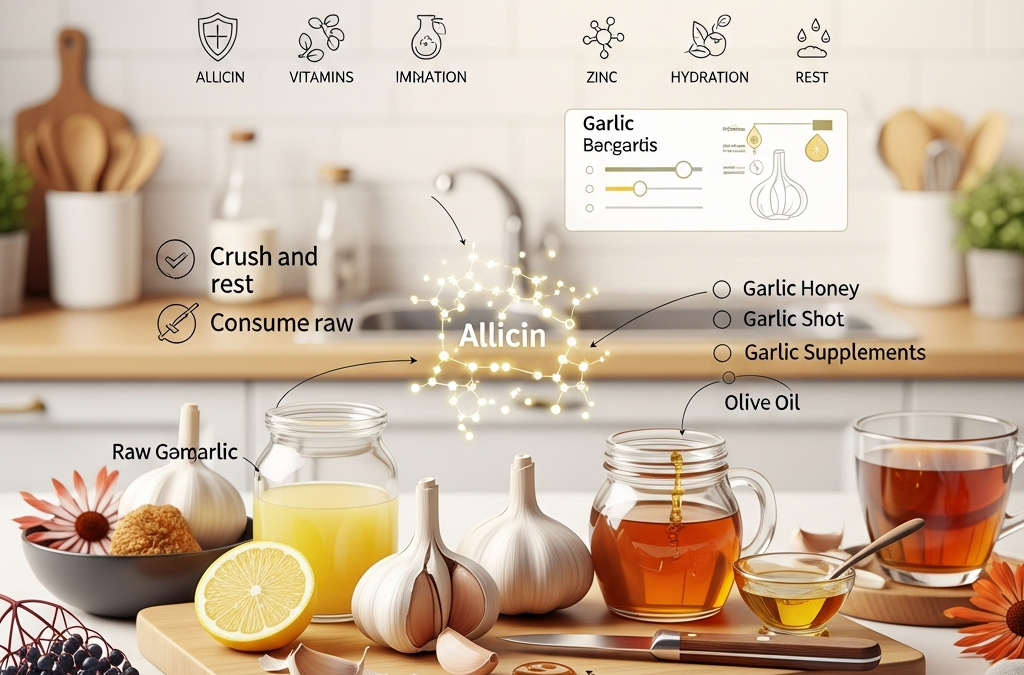
For centuries, raw garlic has been revered across cultures, not just as a culinary staple but also as a potent natural remedy. Its pungent flavor is matched only by its formidable health benefits, particularly when it comes to combating the common cold and flu. This article delves into the science and tradition behind using raw garlic as a powerful cold remedy, exploring its active compounds, immune-boosting properties, and practical applications for wellness. It’s a time-honored approach for those seeking a natural edge against seasonal illnesses.
Key Takeaways
- Potent Immune Support: Raw garlic contains allicin and other sulfur compounds known for their antiviral, antibacterial, and immune-modulating properties.
- Effective Preparation is Key: Crushing or chopping raw garlic before consumption activates allicin, maximizing its therapeutic benefits.
- Symptom Alleviation: Regular intake may help reduce the severity and duration of cold and flu symptoms.
- Considerations for Use: While generally safe, raw garlic can cause digestive upset or interact with certain medications, necessitating caution for some individuals.
- Holistic Approach: Best integrated into a broader wellness strategy that includes proper diet, hydration, and rest for optimal cold prevention and recovery.
Understanding Raw Garlic as a Cold Remedy
The Historical and Traditional Use of Garlic
Ancient Remedies and Folk Wisdom
Throughout history, raw garlic has been documented in ancient Egyptian, Greek, Roman, Chinese, and Indian texts for its medicinal purposes. Its use in combating infections, fevers, and respiratory ailments is well recorded across various civilizations. The role of garlic in folk medicine as a prophylactic and curative agent for various illnesses, including colds, highlights its long-standing reputation as a health booster.
Global Perspectives on Garlic
Different cultures have traditionally prepared and consumed garlic for its health benefits. From Europe’s garlic soups to Asia’s fermented garlic honey, each region has crafted unique remedies. Its consistent reputation worldwide as a natural health enhancer emphasizes its importance in global health traditions.
Key Bioactive Compounds in Garlic
Allicin: The Powerhouse Compound
Allicin is formed when garlic is crushed or chopped, triggered by an enzymatic reaction converting alliin. Known for its instability, allicin quickly converts to other beneficial sulfur compounds, playing a vital role in garlic’s antimicrobial and immune-modulating effects.
Other Sulfur Compounds and Antioxidants
Garlic boasts a repertoire of compounds like ajoene, diallyl disulfide, and s-allyl cysteine. These contribute to its antioxidant and anti-inflammatory properties. The presence of flavonoids and other antioxidants adds to garlic’s overall immune support, making it a robust health ally.
Scientific Basis for Garlic’s Immune-Boosting Properties
Antiviral and Antibacterial Actions
Research indicates garlic’s ability to inhibit the replication of various viruses, such as those causing the common cold and flu. Studies confirm its effectiveness against bacterial strains, potentially preventing secondary infections. Understanding these mechanisms highlights garlic’s comprehensive antimicrobial actions.
Anti-inflammatory Effects
Garlic compounds modulate inflammatory pathways, potentially reducing symptoms like nasal congestion and sore throats. This modulation supports the body’s immune response, emphasizing the role of garlic in maintaining a balanced immune function.
Modulating Immune Responses
Garlic stimulates immune cells like macrophages and lymphocytes, enhancing the body’s natural defense mechanisms. Studies linking garlic consumption to increased immune activity underscore its vital role in pathogen defense.
How Raw Garlic Combats Cold and Flu Symptoms
Symptom Alleviation Mechanisms
Garlic’s properties relieve cold symptoms through decongestant effects for stuffy noses and soothing relief for sore throats. Additionally, its analgesic properties can ease body aches, while compounds help clear mucus, promoting respiratory health.
Shortening Illness Duration
Clinical trials suggest regular garlic intake may shorten cold and flu episode durations. By enhancing immune response and fostering faster pathogen clearance, garlic builds resilience against seasonal illnesses. These benefits underline the importance of garlic in regular dietary routines.
Optimal Ways to Consume Raw Garlic for Colds
Crushing and Chopping for Allicin Activation
Mechanical disruption through crushing or mincing activates alliinase, producing allicin. Letting it sit for a few minutes before eating maximizes benefits, while whole cloves offer less potency.
Direct Consumption Methods
- Chewing: Direct chewing aids immediate allicin exposure, albeit with a strong taste.
- Swallowing: Swallowing smaller pieces minimizes taste but reduces allicin absorption.
- Garlic Shot: Mixing minced garlic with water or juice offers quick ingestion.
Incorporating into Foods
- Garlic and Honey: Combining crushed garlic with honey is a palatable and synergistic remedy.
- Soups and Broths: Adding raw, crushed garlic to warm soups retains potency.
- Salad Dressings/Dips: Integrated in cold dishes for flavorful health enhancement.
Dosage Recommendations and Considerations
General Guidelines for Adults
Common advice suggests consuming 1-2 cloves of raw, crushed garlic daily during cold season or at the onset of symptoms. Introducing garlic gradually can help assess individual tolerance.
Starting with Smaller Doses
To avoid digestive discomfort, begin with smaller quantities like half a clove, increasing over time. This approach safeguards digestive well-being while facilitating immune support.
Consistency Over Quantity
Regular, moderate intake of garlic supports continuous immune function more effectively than infrequent large doses. This consistency provides sustained health benefits, highlighting the value of incorporating garlic into daily life.
Potential Side Effects and Precautions
Digestive Upset and Halitosis
Common side effects include bad breath and potential digestive issues like heartburn. Methods like chewing parsley or mint provide solutions for garlic breath.
Allergic Reactions and Skin Irritation
Allergic reactions may present as skin rash or hives, with contact dermatitis from handling raw garlic. Medical advice is essential in severe cases.
Drug Interactions
- Anticoagulants: Garlic’s antiplatelet effects can increase bleeding risks.
- Other Medications: Consult healthcare providers for personalized guidance, considering potential interactions with medications like Saquinavir and antibiotics.
Who Should Exercise Caution?
Pregnant Women and Children
Pregnant women should be cautious due to limited research on high doses, while children may experience digestive upset. Professional guidance is recommended.
Individuals with Bleeding Disorders or Upcoming Surgery
Those with bleeding disorders or scheduled for surgery should avoid garlic consumption. Discontinuing use weeks prior to surgical procedures is advisable.
People on Specific Medications
Medication interactions dictate the necessity for consultations with healthcare professionals, reinforcing the need for personalized medical advice based on individual health circumstances.
Comparing Raw Garlic with Other Natural Cold Remedies
| Natural Remedy | Primary Benefit for Colds | Key Compounds/Actions | Preparation/Usage | Cautions |
|---|---|---|---|---|
| Raw Garlic | Immune-boosting, Antiviral, Antibacterial | Allicin, Sulfur compounds | Crushed/minced, direct consumption, in honey/soups | Digestive upset, bad breath, blood thinner interactions |
| Elderberry | Antiviral, Immune Support | Anthocyanins, Flavonoids | Syrup, lozenges, teas | Allergic reactions, avoid raw berries/leaves |
| Ginger | Anti-inflammatory, Soothing, Decongestant | Gingerols, Shogaols | Teas, fresh root in food | Heartburn, blood thinner interactions (mild) |
| Turmeric | Anti-inflammatory, Antioxidant | Curcumin | Teas, golden milk, supplements | Stomach upset, gallbladder issues (high doses) |
| Vitamin C | Immune system support, Antioxidant | Ascorbic acid | Citrus fruits, supplements | High doses can cause diarrhea |
| Zinc | Immune modulation, Inhibits viral replication | Zinc ions | Lozenges, supplements, foods | Metallic taste, nausea (high doses) |
Nutritional Profile of Garlic
Essential Vitamins and Minerals
Garlic is rich in vitamins like B6 and C, and minerals such as manganese and selenium. These nutrients are integral to immune function and fostering overall health, reinforcing garlic’s nutritional value.
Antioxidant Content
Its rich antioxidant profile combats oxidative stress, enhancing immune resilience. This activity positions garlic as a valuable dietary element for health maintenance.
Integrating Garlic into a Holistic Wellness Plan
Daily Immune Support
Consistent, moderate garlic intake should be part of a daily health regimen. This supports long-term immune strength and resilience, offering protection against seasonal colds.
Lifestyle Factors for Cold Prevention
Complementary lifestyle choices are imperative. Adequate sleep, stress management, regular exercise, and a balanced diet underpin garlic’s role in a proactive health strategy.
Myths and Facts About Garlic and Colds
Separating Folklore from Science
While some folklore lacks scientific evidence, numerous studies affirm garlic’s benefits. Debunking myths, garlic emerges as a supportive remedy in infection resistance.
Addressing Common Misconceptions
Cooking garlic doesn’t destroy all benefits; some remain, but raw is more potent for allicin. Garlic supports rather than cures, embodying an adjunct to medical interventions.
Tips for Maximizing Garlic’s Benefits and Minimizing Drawbacks
Preparation Techniques for Potency
The method of “crush and wait” enhances allicin activation. Pairing with healthy fats like olive oil may aid absorption, leveraging garlic’s nutritional profile.
Combating Garlic Breath
Managing halitosis involves solutions like parsley and mint. Thorough brushing post-consumption addresses odor concerns, promoting social comfort.
Storage and Freshness
Proper garlic storage preserves freshness and potency. Noticing signs of spoilage ensures medicinal efficacy, emphasizing the preference for fresh garlic in therapeutic uses.
FAQ: Frequently Asked Questions about Raw Garlic and Colds
- Is it better to chew or swallow raw garlic? Chewing maximizes allicin activation but swallowing lessens taste intensity, affecting allicin’s bioavailability.
- Can children take raw garlic for a cold? Generally not for young children due to taste and digestion, but older children may use it under supervision.
- How long does it take for garlic to work on a cold? Effects vary; some report improvement in 24-48 hours. Garlic supports immunity rather than offering instant relief.
- Does cooking garlic destroy its benefits for colds? High heat reduces benefits; raw or lightly cooked garlic is preferred for maximum allicin effects.
- Are garlic supplements as effective as raw garlic? Supplements vary in potency; look for those standardized for allicin yield. Raw garlic often provides the full spectrum of benefits.
Conclusion
Raw garlic stands as a time-tested natural remedy, offering a unique blend of antiviral, antibacterial, and immune-modulating properties valuable in preventing and treating the common cold. Its potent bioactive compounds, particularly allicin, provide a scientific basis for traditional use. Optimal preparation, dosage awareness, and consideration of potential interactions are vital for maximizing benefits. By integrating raw garlic into a holistic wellness strategy, individuals can significantly advance their immune resilience, reaffirming the ancient wisdom of raw garlic in modern health practices.