
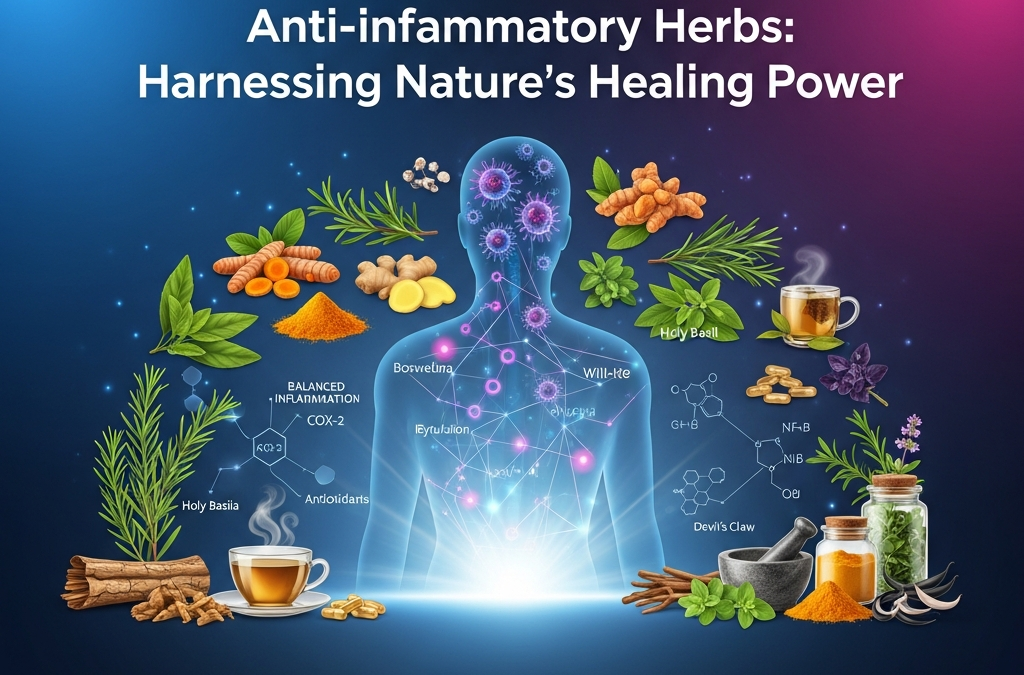
Anti-inflammatory Herbs: Harnessing Nature’s Healing Power
Understanding Inflammation and the Power of Anti-inflammatory Herbs
In today’s health-conscious society, inflammation remains a pivotal topic, largely due to its extensive implications on chronic diseases. Understanding inflammation is crucial as it guides how we manage health and wellness proactively. At the core, inflammation is the body’s defense mechanism—a process by which our immune system protects us from infection and injury. Yet, when this process becomes chronic, it can lead to various health complications such as arthritis, heart disease, and even cancer.
Anti-inflammatory herbs stand as natural architects in the management of inflammation. They hold ancestral wisdom and modern scientific backing, offering an array of pharmacological properties capable of modulating inflammatory pathways without the side effects associated with long-term pharmaceutical use. This comprehensive guide will unravel the specific herbs known for their anti-inflammatory prowess, their mechanism of action, and practical ways to integrate them into your life.
What is Inflammation?
Acute vs. Chronic Inflammation
Inflammation can be either acute or chronic. Acute inflammation is an immediate response to injury or infection, characterized by redness, swelling, and pain—hallmarks of the body’s healing process. This type of inflammation is essential as it triggers the immune system to resolve the harmful stimuli and begin tissue repair. Conversely, chronic inflammation is a prolonged, often unnoticed, immune response that perpetuates tissue destruction and damage. It is this silent yet pervasive inflammation that is linked to numerous chronic diseases, including diabetes, rheumatoid arthritis, and neurodegenerative disorders.
The Body’s Immune Response
The body’s immune response involves various cells and molecules, including macrophages, neutrophils, cytokines, and prostaglandins. These components orchestrate an inflammatory cascade that helps combat invading pathogens or heal injured tissues. However, when regulation of these mediators becomes unbalanced, it can lead to chronic inflammation. Anti-inflammatory herbs work by targeting these pathways, thereby serving as natural regulators of immune health.
Health Implications of Chronic Inflammation
Chronic inflammation’s insidious nature makes it particularly dangerous. It doesn’t present with the immediate pain or swelling seen in acute inflammation, which means individuals may not realize its presence until significant damage has occurred—a situation often observed in cardiovascular disease and cancer. Long-term inflammation is known to compromise the immune system, leading to a weakened defense against viruses and bacteria. Addressing inflammation through diet, lifestyle, and supplements becomes paramount to maintaining optimal health.
The Mechanisms of Herbal Anti-inflammatory Action
Inhibiting Pro-inflammatory Pathways
Herbs exert anti-inflammatory effects by targeting key enzymes such as COX-2 (cyclooxygenase-2) and LOX (lipoxygenase), which are involved in the synthesis of inflammatory molecules. Moreover, they influence transcription factors like NF-kB (nuclear factor kappa-light-chain-enhancer of activated B cells), which are pivotal in the expression of pro-inflammatory genes. Herbs like turmeric contain curcumin, which broadly inhibits these pathways, reducing the production of molecules that incite inflammation.
Antioxidant Properties
Many anti-inflammatory herbs are rich in antioxidants, which neutralize free radicals—a key contributor to oxidative stress and inflammation. By mitigating this oxidative damage, herbs protect cellular integrity and prevent inflammatory markers. Common antioxidant compounds include flavonoids and polyphenols, prominently found in herbs like green tea and rosemary.
Modulating Immune Response
Besides direct enzymatic actions, certain herbs modulate the immune response by balancing immune cell activity. They assist in maintaining an equilibrium, reducing the risk of hyperactive immune reactions that contribute to chronic inflammation. An example is boswellia, which adapts to the needs of the immune system, preventing it from escalating inflammation unnecessarily.
Turmeric (Curcuma longa)
Active Compound: Curcumin
Turmeric, renowned for its vivid yellow hue, owes its color and medicinal properties to curcuminoids—specifically curcumin. This compound is hailed for its robust anti-inflammatory and antioxidant properties. Research has demonstrated curcumin’s ability to attenuate inflammation by inhibiting NF-kB and downregulating inflammatory cytokines. Its role in reducing chronic inflammation is well-established, supported by numerous clinical trials.
Therapeutic Applications
Curcumin is efficacious in managing inflammatory conditions such as osteoarthritis, rheumatoid arthritis, and inflammatory bowel diseases (IBD) like Crohn’s disease. Furthermore, its neuroprotective effects have garnered interest in treating neurological disorders such as Alzheimer’s. Emerging evidence also suggests its potential in metabolic syndromes, offering a holistic approach to inflammation-based maladies.
Dosage and Bioavailability Considerations
One challenge with curcumin is its low bioavailability—meaning it’s not easily absorbed by the body. To combat this, pairing curcumin with piperine, found in black pepper, dramatically increases its absorption by up to 2000%. Pharmaceutical formulations have also developed nanoparticle encapsulation and liposomal curcumin to enhance efficacy. Generally, therapeutic doses range between 500-2000 mg per day, contingent upon individual health needs.
Potential Side Effects and Interactions
While turmeric is generally safe, excessive intake can lead to mild gastrointestinal issues such as bloating and diarrhea. It’s prudent for individuals on blood thinners or those with gallbladder complications to consult healthcare professionals before starting curcumin supplements to avoid unforeseen interactions.
Ginger (Zingiber officinale)
Active Compounds: Gingerols and Shogaols
Ginger has been revered in both culinary and medicinal domains, attributed largely to gingerols and shogaols—compounds responsible for its piquant aroma and flavor. These compounds exhibit compelling anti-inflammatory properties by inhibiting the synthesis of pro-inflammatory cytokines and enzymes.
Anti-inflammatory and Anti-nausea Effects
Ginger’s capacity to alleviate inflammation extends to muscular pain from exercise, menstrual discomfort, and osteoarthritis. Its efficacy as an antiemetic is equally pronounced, offering relief from nausea and vomiting post-surgery or during pregnancy. Scientific studies have substantiated these effects, corroborating ginger’s historical use.
Traditional and Modern Uses
Historically, ginger holds a venerable place in Ayurvedic and Chinese medicine, where it’s been used to treat inflammation, respiratory ailments, and digestive complaints. Modern research continues to validate these traditional applications, revealing ginger’s potential in reducing oxidative stress and inflammation.
Forms and Preparations
- Fresh ginger root—ideal for tea or culinary uses.
- Dried ginger powder—convenient for capsules and spice blends.
- Ginger tea—commonly prepared for its soothing effects.
- Standardized extracts—used for consistent therapeutic dosage.
Green Tea (Camellia sinensis)
Role of Catechins (EGCG)
Green tea’s health benefits are predominantly credited to catechins, particularly Epigallocatechin gallate (EGCG). This polyphenol plays a significant role in mitigating inflammation and oxidative stress by neutralizing free radicals and reducing pro-inflammatory mediators.
Cardiovascular and Metabolic Benefits
EGCG helps maintain cardiovascular health by lowering cholesterol levels, regulating blood glucose, and enhancing endothelial function. This makes green tea a potent agent in reducing risks associated with metabolic syndrome, supported by both epidemiological and clinical studies.
Brewing and Consumption Tips
- Use fresh, pure water boiled to 80-85°C for optimal extraction.
- Steep for 3-5 minutes to maximize EGCG content without bitterness.
- Be mindful of caffeine’s invigorating effects, particularly before bedtime.
- Consider potential interactions with iron absorption—avoid consuming with iron-rich meals.
Boswellia Serrata (Indian Frankincense)
Boswellic Acids and Their Mechanism
Boswellia Serrata, known as Indian Frankincense, is distinguished by its boswellic acids, prominently AKBA (Acetyl-11-keto-β-boswellic acid), which inhibit the 5-lipoxygenase enzyme responsible for the leukotriene synthesis. This action significantly reduces inflammation and pain associated with chronic inflammatory conditions.
Efficacy in Osteoarthritis and Inflammatory Bowel Disease
Clinical studies showcase boswellia’s efficacy in alleviating pain and improving mobility in osteoarthritis. Similar benefits are observed in inflammatory bowel disease, particularly in mitigating symptoms of Crohn’s disease and ulcerative colitis, positioning it as a viable natural alternative to traditional anti-inflammatory medications.
Standardization and Quality
The potency of boswellia supplements depends heavily on their standardization to boswellic acid content. Quality sourcing ensures consistency and efficacy, urging consumers to choose products from reputable brands verified by third-party testing for purity and potency.
Devil’s Claw (Harpagophytum procumbens)
Harpagosides as Active Constituents
Devil’s Claw, native to Southern Africa, derives its name from the hooked form of its fruit, though its medicinal properties attribute to harpagosides found in the root. These compounds have demonstrated significant analgesic and anti-inflammatory effects, making it a favored choice for natural pain management.
Pain Relief and Anti-inflammatory Properties
Empirical research supports Devil’s Claw’s efficacy in managing lower back pain, osteoarthritis, and other musculoskeletal conditions. It has shown comparable efficacy to conventional NSAIDs, offering a natural alternative without the associated adverse effects.
Considerations for Use
Devil’s Claw is generally well tolerated, though mild gastrointestinal side effects may occur. Those with ulcers or gallbladder issues are advised to use caution and consult healthcare practitioners before use to prevent contraindications.
Rosemary (Rosmarinus officinalis)
Carnosic Acid and Rosmarinic Acid
Rosemary’s medicinal attributes are predominantly due to carnosic acid and rosmarinic acid, both possess strong antioxidant activities. These compounds inhibit NF-kB and other inflammatory markers, thereby reducing oxidative stress and inflammation.
Antioxidant and Anti-inflammatory Benefits
Research highlights rosemary’s neuroprotective properties, proposing benefits in cognitive function and neurodegenerative disease prevention. Additionally, it supports digestion and exhibits antimicrobial effects, presenting a holistic health benefit profile.
Culinary and Medicinal Applications
- Fresh or dried rosemary can enhance the flavor of meats, soups, and stews.
- Rosemary essential oil is used for aromatherapy and topical applications.
- Incorporation into teas or tinctures enhances herbal formulations for cognitive and digestive support.
Holy Basil (Ocimum sanctum/tenuiflorum)
Adaptogenic and Anti-inflammatory Qualities
Holy Basil or Tulsi, revered in Ayurveda and Hindu culture, acts as an adaptogen, helping the body to cope with stress and restore balance. Its eugenol and other phenolic compounds exert anti-inflammatory effects comparable to NSAIDs like aspirin and ibuprofen.
Stress Reduction and Immune Support
This revered herb aids in reducing anxiety and stress-induced inflammation, and it boosts immune defense. Traditional applications include treating respiratory conditions, enhancing its multifaceted role in health remediation.
Forms of Consumption
- Holy Basil tea is a popular, calming beverage known for its soothing effects.
- Fresh leaves can be used directly in culinary dishes or herbal remedies.
- Encapsulated extracts provide a concentrated dose for those with specific therapeutic needs.
Willow Bark (Salix spp.)
Salicin Content and Aspirin-like Effects
Willow Bark’s acclaim stems from its salicin content, which the body metabolizes into salicylic acid. This mechanism mirrors that of aspirin, offering effective pain and inflammation relief yet with a milder gastrointestinal impact.
Pain Management and Fever Reduction
Commonly used for treating headaches, muscle pain, and arthritic discomfort, willow bark’s analgesic properties extend to its role as a natural antipyretic (fever-reducer). Historical references trace its use back to ancient Greeks, and contemporary studies validate these traditional uses.
Cautions and Contraindications
Despite its benefits, caution is advised for children due to the risk of Reye’s syndrome and individuals on anticoagulant therapy. Prior consultation with a healthcare provider is necessary for anyone with underlying conditions.
Licorice Root (Glycyrrhiza glabra)
Glycyrrhizin and Anti-inflammatory Actions
Licorice Root’s anti-inflammatory capabilities are attributed primarily to glycyrrhizin, which mimics the effects of cortisol without its adverse effects. This compound plays a key role in suppressing inflammatory cytokines while modulating cortisol metabolism.
Adrenal Support and Digestive Health
Traditionally, licorice is celebrated for alleviating adrenal fatigue and enhancing stress response, alongside soothing gastric inflammation and peptic ulcers. These multifactorial benefits affirm its position as a versatile herb in traditional medicine.
Important Precautions (Hypertension)
The presence of glycyrrhizin in high doses can elevate blood pressure and upset electrolyte balance. Using deglycyrrhizinated licorice (DGL) mitigates these risks, promoting safer prolonged use. Consultation with healthcare professionals is advised for those with hypertension.
Oregano (Origanum vulgare)
Carvacrol and Thymol as Phenols
Oregano’s impactful health benefits chiefly arise from carvacrol and thymol—potent phenolic compounds with wide-ranging effects. These substances boast antioxidant, anti-inflammatory, and antimicrobial properties, contributing richly to its therapeutic arsenal.
Antioxidant and Antimicrobial Properties
Oregano is renowned for fighting infection and supporting immune health. It reduces oxidative stress and can aid in muscle recovery post-exercise. Ongoing research delves into its role in enhancing gut health and its potential anti-carcinogenic properties.
Usage in Diet and Supplements
- Incorporate oregano into cooking to enhance flavor while obtaining health benefits.
- Essential oils and extracts can offer concentrated benefits, but should be used with care due to potency.
- Oregano supplements standardized for carvacrol content ensure consistent therapeutic outcomes.
Incorporating Anti-inflammatory Herbs into Your Diet
Culinary Uses and Preparations
Integrating anti-inflammatory herbs into your daily meals enriches flavors and enhances nutritional profiles. Consider adding turmeric to dressings and marinades, or incorporating rosemary into meats and vegetables. Ginger and oregano lend themselves brilliantly to soups and stews, offering both taste and therapeutic benefits.
Teas, Tinctures, and Supplements
Herbal teas are a delightful way to consume these herbs daily—turmeric tea, ginger tea, and holy basil tea each provide unique health benefits. Tinctures, offering concentrated dosages, enable easy integration, particularly for those seeking specific therapeutic actions. Ensure any supplements consumed are sourced from reputable brands and contain standardized extracts.
Synergistic Combinations
Combining herbs can boost anti-inflammatory effects. For instance, turmeric’s absorption is enhanced when paired with ginger or black pepper. Creating herbal blends that work synergistically offers comprehensive health benefits over single-use formulations.
Important Considerations and Safety Guidelines
Consulting Healthcare Professionals
Before integrating anti-inflammatory herbs into your wellness routine, consult with healthcare providers, particularly if you have existing health conditions or are on medication. This preemptive step ensures safe transitions and prevents adverse interactions.
Potential Drug Interactions
Avoiding potential drug interactions requires foresight. Herbs, while natural, can interact with common medications like blood thinners, immunosuppressants, and diabetes drugs. Discuss current medication lists with professionals to identify possible contraindications.
Quality and Sourcing of Herbal Products
Choose herbal products that are certified organic, and verify third-party testing for optimal quality assurance. This guarantees the integrity of the product, promising therapeutic benefits without contaminant risks.
Dosage and Administration
A gradual introduction is prudent when starting with new herbal supplements. Begin with low doses, observing how your body responds, and adjust accordingly, adhering to manufacturer recommendations or professional guidance.
Comparative Analysis of Top Anti-inflammatory Herbs
| Herb | Key Active Compounds | Primary Anti-inflammatory Uses | Safety Notes |
|---|---|---|---|
| Turmeric | Curcuminoids | Arthritis, IBD, systemic inflammation | Low bioavailability, interaction with blood thinners. |
| Ginger | Gingerols, Shogaols | Muscle pain, arthritis, nausea, menstrual pain | Generally safe, mild GI upset possible. |
| Green Tea | EGCG | Cardiovascular health, metabolic syndrome | Caffeine content, potential iron absorption interference. |
| Boswellia | Boswellic Acids | Osteoarthritis, IBD | Generally well-tolerated, mild GI upset. |
| Devil’s Claw | Harpagosides | Lower back pain, osteoarthritis | Contraindicated for ulcers/gallstones, mild GI effects. |
| Rosemary | Carnosic Acid | Antioxidant, neuroprotection, digestive | Safe in culinary amounts; consult for concentrated forms. |
| Holy Basil | Eugenol, Rosmarinic Acid | Stress, immune support, adaptogenic | Generally safe; consult for pregnancy/blood thinners. |
| Willow Bark | Salicin | Pain, fever, headache | Avoid in children (Reye’s Syndrome), blood thinners, ulcers. |
| Licorice Root | Glycyrrhizin | Adrenal support, digestive, inflammation | Risk of hypertension with prolonged high dose; use DGL. |
| Oregano | Carvacrol, Thymol | Antimicrobial, antioxidant, digestive | Concentrated oil can be irritating; dilute properly. |
Frequently Asked Questions about Anti-inflammatory Herbs
Are anti-inflammatory herbs safe for long-term use?
Generally, many herbs are safe for prolonged use when consumed in moderation. However, some herbs, like licorice, require periodic breaks or specific precautions. Consulting with a healthcare provider will ensure safe herbal practices.
Can I use anti-inflammatory herbs with prescription medications?
It’s critical to approach this question with caution. Anti-inflammatory herbs can interact with various medications, including blood thinners and immunosuppressants. Always consult your healthcare provider when starting new herbal regimens alongside prescribed medications.
What is the best way to consume these herbs?
Consumption methods can vary based on the herb and individual preference. Options include fresh, dried, teas, tinctures, and capsules. Each form offers unique benefits and considerations, so finding the right method depends on specific health goals and lifestyle.
How long does it take for anti-inflammatory herbs to work?
The timeframe for herbal efficacy can vary significantly, often taking weeks to months to achieve noticeable relief. This is influenced by the herb’s nature, individual metabolism, and the severity of inflammation being addressed.
Are there any side effects?
Most herbs have mild side effects such as gastrointestinal upset. However, more serious side effects or contraindications may exist, like hypersensitivity, and should be monitored under professional guidance.
Conclusion
Recap of Key Benefits
Anti-inflammatory herbs wield remarkable potential to alleviate pain, reduce swelling, and combat chronic inflammation, fostering overall well-being and healthful living.
Holistic Approach to Inflammation Management
Embracing a holistic lifestyle—incorporating diet, exercise, stress management, and adequate sleep—complements the benefits of herbal interventions, offering a robust strategy against inflammation.
Empowering Informed Choices
Informed decisions, underpinned by research and professional advice, are essential for safely and effectively harnessing nature’s pharmacy to cultivate long-standing health and vitality.