
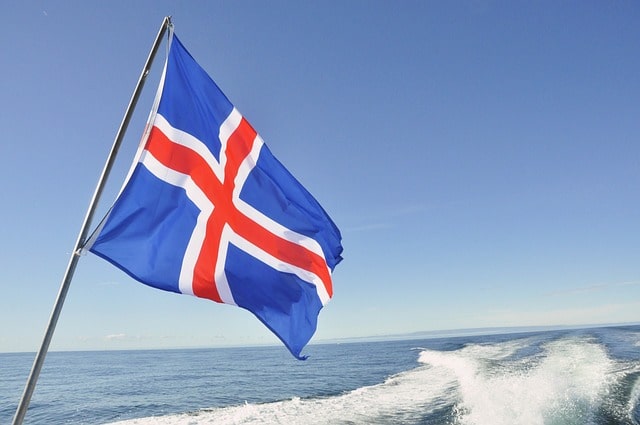
Discover the Unforgettable Adventures of Iceland Solo Travel: Embrace the Beauty and Serenity of this Captivating Destination
Iceland, a land of fire and ice, offers a unique blend of adventure, tranquility, and breathtaking landscapes. It’s a destination that appeals to the wanderlust in all of us, especially those who dare to embark on a solo journey. Iceland solo travel promises an unparalleled experience, combining the thrill of exploration with moments of serene solitude. In this comprehensive guide, we dive into why Iceland is a perfect destination for solo travelers, covering safety tips, must-visit destinations, outdoor activities, and much more to ensure you have an unforgettable adventure.
Why Choose Iceland for Solo Travel?
Embarking on a solo trip to Iceland means stepping into a world where nature reigns supreme, offering landscapes that seem otherworldly. The first reason to choose Iceland for a solo adventure is its unparalleled natural beauty. From the glistening ice caps and erupting geysers to the tranquil hot springs, every corner of Iceland is a testament to the Earth’s raw power and elegance.
Another compelling reason is the sense of safety and welcoming hospitality offered by Iceland. Being one of the safest countries in the world, it provides peace of mind for solo travelers, allowing them to explore freely without significant concern. This sense of security, combined with the English-speaking locals and well-established tourist infrastructure, makes navigating the country a breeze.
Moreover, Iceland’s small size and efficient transport options mean that you can experience a wide array of landscapes and activities even on a short trip. Whether you’re chasing the Northern Lights, exploring the vibrant city life of Reykjavik, or hiking in the untouched wilderness, Iceland offers an adventure for every kind of traveler.
Safety Tips for Solo Travelers in Iceland
While Iceland is renowned for its safety, taking precautions as a solo traveler is paramount. Firstly, always inform someone of your travel plans, especially if you’re venturing into remote areas. The unpredictable weather in Iceland can turn a simple hike into a challenging ordeal, so it’s crucial to let a friend or a local accommodation provider know your itinerary.
Secondly, equip yourself with the right gear. The weather in Iceland can change in the blink of an eye, so waterproof clothing and sturdy hiking boots are essentials. Also, consider renting a satellite phone if you plan to explore particularly remote areas, as cell service can be spotty.
Lastly, familiarize yourself with local laws and customs. Iceland has strict rules on off-road driving and camping, designed to protect its delicate ecosystems. Adhering to these regulations ensures not only your safety but also the preservation of Iceland’s natural beauty for future generations.
Must-Visit Destinations in Iceland for Solo Travelers
Iceland is dotted with destinations that seem to be plucked straight from fairytales. A must-visit is the Blue Lagoon, a geothermal spa where you can unwind in milky-blue waters while surrounded by lava fields. It’s not only an Instagram-worthy spot but also a place to relax and meet fellow travelers.
For those enchanted by urban exploration, Reykjavik, the capital, offers a blend of culture, history, and nightlife. Stroll through the colorful streets, visit the Hallgrímskirkja church, and don’t miss the chance to taste Icelandic cuisine in one of the city’s many restaurants.
Nature enthusiasts should not skip the Golden Circle, a popular route that takes you to some of Iceland’s most stunning natural wonders, including the Thingvellir National Park, the Geysir Geothermal Area, and the majestic Gullfoss waterfall. Each site presents an opportunity to immerse yourself in the natural beauty and solitude that Iceland offers.
Outdoor Activities for Solo Travelers in Iceland
Iceland’s rugged landscapes are a playground for outdoor enthusiasts. Solo travelers looking for adventure can embark on glacier hiking tours, where you’ll traverse icy terrains equipped with crampons and ice axes, all while being surrounded by stunning vistas.
If you prefer the water, kayaking among the fjords offers a peaceful yet exhilarating experience. Paddle through serene waters, flanked by towering cliffs and, if you’re lucky, accompanied by curious marine life. For the truly adventurous, snorkeling or diving in the Silfra fissure, where you can float between two tectonic plates, is a once-in-a-lifetime experience.
Lastly, Iceland’s vast wilderness is perfect for those who find solace in hiking. Trails of varying difficulty crisscross the country, leading to secluded hot springs, thundering waterfalls, and panoramic viewpoints. Remember, the journey is just as important as the destination, especially when you’re exploring at your own pace.
How to choose the right travel insurance provider for Iceland
Are you planning a trip to the stunning country of Iceland? Well, brace yourself for an adventure like no other! But before you embark on this once-in-a-lifetime journey, it’s important to make sure you have the right travel insurance. With so many options out there, it can be overwhelming to choose the right travel insurance provider. But fret not, because I’m here to guide you through the process and help you make the best decision.
First and foremost, do your research. Take the time to compare different travel insurance providers and their policies. Look for providers that offer comprehensive coverage, including medical expenses, trip cancellation and interruption, lost luggage, and emergency evacuation. Make sure their coverage aligns with your specific needs and requirements.
Next, consider the reputation and reliability of the travel insurance provider. Read reviews and testimonials from other travelers who have used their services. Look for providers that have a good track record of customer satisfaction and prompt claims processing. You want a provider that will be there for you when you need them the most.
Another important factor to consider is the cost of the travel insurance. While price shouldn’t be the sole determining factor, it’s important to find a balance between affordability and coverage. Compare quotes from different providers and make sure you understand what is included in each policy. Don’t hesitate to ask questions if anything is unclear.
Lastly, don’t forget to check if the travel insurance provider offers 24/7 emergency assistance. This is crucial, especially when traveling to a foreign country like Iceland. You want to know that help is just a phone call away in case of any unforeseen circumstances.
By following these steps, you can confidently choose the right travel insurance provider for your trip to Iceland. So go ahead and explore the breathtaking landscapes, chase the Northern Lights, and immerse yourself in Icelandic culture, knowing that you’re protected by the best travel insurance out there. Happy travels!
Capturing the Beauty of Iceland: Photography Tips for Solo Travelers
Photography enthusiasts will find Iceland a paradise, with its dramatic landscapes and ever-changing light conditions. To capture the ethereal beauty of Iceland, golden hour is your best friend. The soft, diffused light at sunrise or sunset transforms the landscapes, giving your photos a magical quality.
Another tip is to embrace the unpredictable weather. Stormy skies and sudden rainbows can add drama and depth to your shots, making for compelling compositions. Don’t shy away from using a tripod, especially for capturing the Northern Lights or the stars. Long exposures can turn the night sky into a canvas of colors.
Lastly, remember to include elements in the foreground of your landscape shots. Whether it’s a rugged rock, a blooming flower, or a meandering stream, having a point of interest adds scale and context to the vast landscapes of Iceland, making your photos stand out.
Solo Travel Accommodations in Iceland
When it comes to finding a place to stay, Iceland offers a range of accommodations suited to solo travelers. Hostels are a popular choice, providing not only a bed but also an opportunity to meet fellow travelers. Many hostels in Iceland also offer private rooms, combining the social aspect of hostel life with the privacy many solo travelers appreciate.
For those seeking solitude, renting a cabin or a small cottage in the countryside can be an enchanting experience. Imagine waking up to the sound of birds, with views of mountains or fjords right outside your window. It’s a perfect way to immerse yourself in the tranquility of Iceland’s natural landscapes.
Lastly, don’t overlook guesthouses and B&Bs, often run by locals. These accommodations offer a cozy, home-like atmosphere and a chance to experience Icelandic hospitality firsthand. Plus, your hosts can be a wealth of information on local secrets and tips that you won’t find in any guidebook.
Solo Travel Itineraries for Iceland
Crafting the perfect itinerary for your solo adventure in Iceland depends on your interests and the length of your stay. A week-long trip could start with exploring Reykjavik, followed by a day trip to the Golden Circle to witness some of Iceland’s most famous natural wonders. Dedicate a couple of days to the South Coast, where you can visit the black sand beaches of Vik, the stunning waterfalls of Seljalandsfoss and Skogafoss, and perhaps even embark on a glacier hike.
If you have more time, extending your journey to the Westfjords or the North of Iceland offers a glimpse into the more remote and rugged side of the country. Here, you can experience the Midnight Sun in summer, or hunt for the Northern Lights in winter, all while enjoying activities like horseback riding, whale watching, or soaking in remote hot springs.
Remember, the beauty of solo travel lies in the freedom to tailor your journey to your preferences. Don’t feel pressured to tick off every popular destination. Sometimes, the most memorable moments come from the spontaneous detours and the unexpected discoveries along the way.
Budgeting for Solo Travel in Iceland
Iceland is notorious for being a pricey destination, but with careful planning, solo travelers can manage their expenses without sacrificing the experience. One of the biggest ways to save is by self-catering when possible. Grocery shopping and preparing your own meals can significantly cut costs compared to dining out.
Transportation can also be a major expense. Consider renting a car only if you plan to explore extensively outside of Reykjavik. For shorter distances, take advantage of Iceland’s efficient public transportation system or join organized tours that cover transportation to and from your destinations.
Accommodation choices play a big role in managing your budget. Opting for hostels, guesthouses, or camping (during warmer months) can keep costs down. Additionally, booking well in advance can secure you better deals, especially during peak travel seasons.
Cultural Experiences for Solo Travelers in Iceland
Immersing yourself in the local culture enriches your travel experience, and Iceland offers plenty of opportunities for solo travelers to do just that. Attending a local concert or festival can give you a taste of Icelandic music and art, which are integral parts of the country’s cultural identity. Don’t miss the chance to relax in a local swimming pool or hot spring, where you can mingle with locals in a relaxed setting.
Exploring the country’s culinary scene is another way to connect with Icelandic culture. From tasting fermented shark to enjoying a hearty lamb stew, Icelandic cuisine is both unique and delicious. Visit a local market or join a food tour to delve deeper into the country’s culinary traditions.
Lastly, take the time to learn about Iceland’s rich history and mythology. Visiting museums, such as the National Museum of Iceland or the Saga Museum, offers insights into the country’s Viking past and its sagas, which are still celebrated in Icelandic culture today.
How Much Does Solo Travel in Iceland Cost?
Iceland is one of Europe’s more expensive destinations, and solo travellers face the added cost of not splitting accommodation or car rental with anyone else.
- Budget trip: £70–£100 per day (hostel dorms, self-catering, public transport or hitchhiking)
- Mid-range trip: £120–£200 per day (private hostel rooms or budget hotels, a rental car, eating out occasionally)
- Comfortable trip: £250+ per day (hotels, guided tours, dining out regularly)
Renting a car solo is one of the biggest costs, since there’s no one to split it with — joining a small-group tour for part of the trip can work out cheaper if you want to see the Ring Road without the full rental cost.
Best Time to Visit Iceland Solo
Each season suits a different kind of solo trip, so the best time depends on what you want to experience.
- Summer (June–August): Midnight sun, full access to the Ring Road, and the easiest conditions for solo road trips, though also the busiest and most expensive months.
- Winter (November–March): Northern Lights season, but shorter days and more challenging driving conditions — better suited to base-based trips around Reykjavik than a full solo road trip.
- Shoulder season (April–May, September–October): A good balance of fewer crowds, lower prices, and still-manageable weather.
A Simple 5-Day Solo Itinerary
- Day 1: Arrive and explore Reykjavik — Hallgrímskirkja church, the Old Harbour, and a geothermal pool such as Sky Lagoon.
- Day 2: Golden Circle day trip — Þingvellir National Park, Geysir geothermal area, and Gullfoss waterfall.
- Day 3: South Coast — Seljalandsfoss and Skógafoss waterfalls, and the black sand beach at Reynisfjara.
- Day 4: Jökulsárlón Glacier Lagoon and Diamond Beach, if time and driving distance allow.
- Day 5: Return to Reykjavik, with time for the Blue Lagoon or Sky Lagoon before departure.
What to Pack for Solo Travel in Iceland
Iceland’s weather changes quickly regardless of season, so layering matters more than any single item.
- Waterproof, windproof outer layer
- Warm mid-layer (fleece or wool) even in summer
- Sturdy waterproof walking shoes or boots
- Swimwear for geothermal pools and hot springs, packed even in winter
- A power bank, since some rural stops have limited charging access
Common Mistakes Solo Travellers Make in Iceland
- Underestimating driving distances — the Ring Road looks short on a map but takes considerably longer than expected with photo stops and changeable weather.
- Not checking road and weather conditions daily — conditions can shift quickly outside summer; safetravel.is is worth checking each morning.
- Packing for one season only — even summer evenings can be cold, and layering is essential year-round.
- Skipping travel insurance — mountain rescue and medical evacuation costs in remote areas can be significant without cover.
FAQ
Is Iceland safe for solo female travellers?
Yes — Iceland consistently ranks among the safest countries in the world, and solo female travellers commonly report feeling comfortable exploring both cities and rural areas independently.
Do you need to rent a car for solo travel in Iceland?
Not necessarily — Reykjavik and nearby attractions are reachable by organised day tours and public buses, though a rental car gives far more flexibility for reaching remote sights at your own pace.
How many days do you need for a solo trip to Iceland?
Five to seven days is enough to cover Reykjavik, the Golden Circle, and the South Coast comfortably; a full Ring Road trip typically needs 10–14 days.
Final Thoughts on Solo Travel in Iceland
Iceland’s combination of safety, English-speaking infrastructure, and dramatic scenery makes it one of the more approachable destinations for a first solo trip, even outside peak summer. A simple five-day loop covering Reykjavik, the Golden Circle, and the South Coast gives a genuine taste of the country without needing to commit to the full Ring Road.
Whatever the season, pack in layers, check road and weather conditions daily, and budget realistically for a country where solo travellers don’t have anyone to split the bigger costs with.